• BOOKS
  • ABOUT

WILSON WYATT JR

~ WRITING & PHOTOGRAPHY – THE ART OF WORDS AND IMAGES

WILSON WYATT JR

Category Archives: Uncategorized

A man ahead of his times…Adlai Stevenson

10 Tuesday Sep 2013

Posted by Wilson Wyatt Jr. in Photography, Uncategorized, Writing

≈ 1 Comment

Tags

Adlai Stevenson, Atomic Weapons, Civilized World, Dictators, Middle East, President, Tribal Chieftains, U.S. Ambassador to the United Nations, Weapons of Mass Destruction

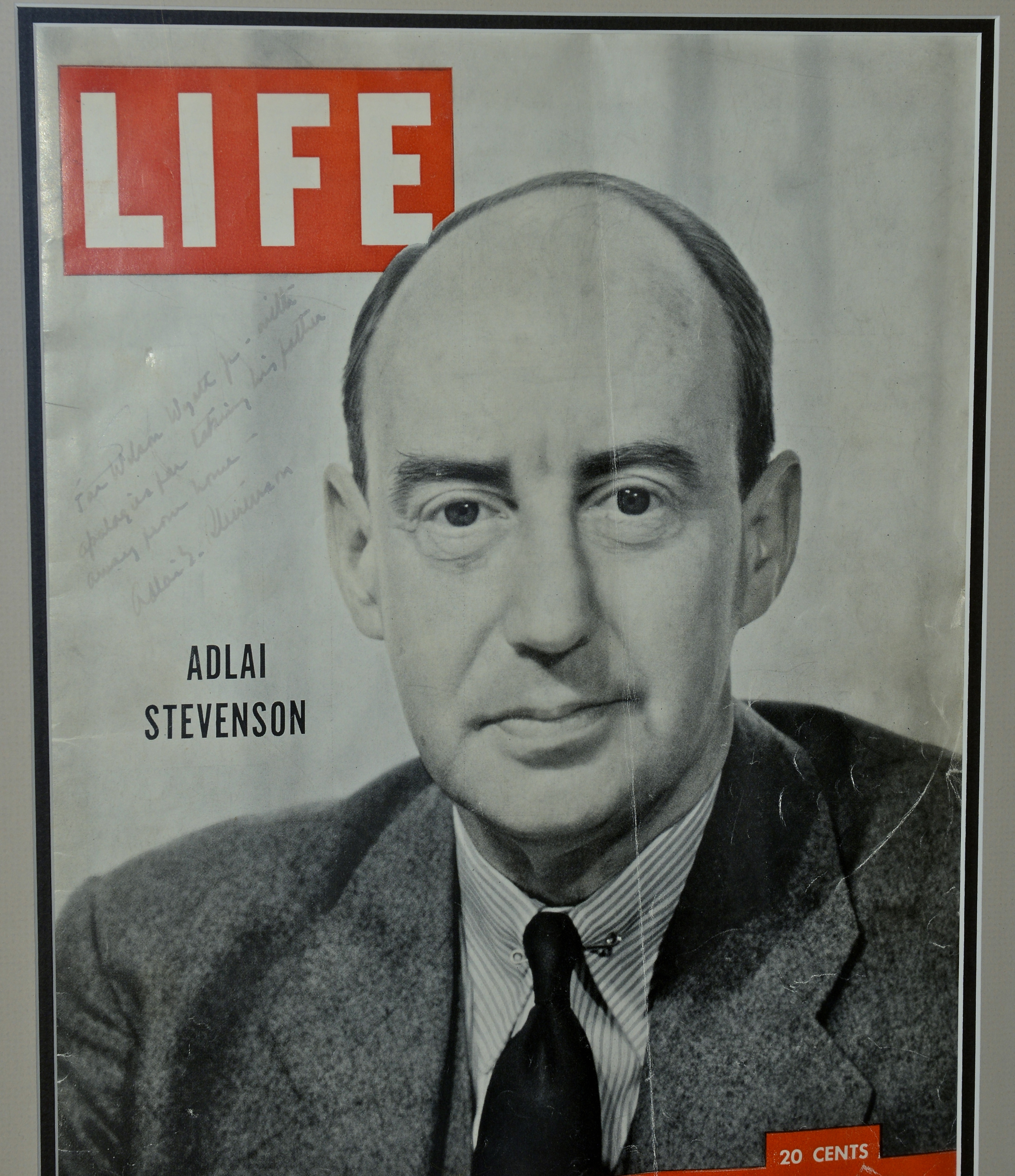
Adlai Stevenson, candidate for President, later U.S. Ambassador to the United Nations - cover of LIFE magazine, August 4, 1952

Adlai Stevenson, candidate for President, later U.S. Ambassador to the United Nations – cover of LIFE magazine, August 4, 1952 – Click on image for full view

His greatest fear for the civilized world was atomic weapons in the hands of “dictators and chieftains” in the Middle East and other parts of the world. My short story in the previous post carries his actual message.

0.000000 0.000000

Photography. . .Painting with light in New York

31 Saturday Aug 2013

Posted by Wilson Wyatt Jr. in Mentor Series Photo Treks, Photography, Uncategorized

≈ Leave a comment

Tags

Andy Mizerek, Andy Peeke, Brooklyn, Chance favors the prepared., Christopher Rex Stone, David Tejada, Flash Photography, Lucas Gilman, Manhattan, Mentor Series, New York skyline, Nikon, Painting with light, Paul Peregrine, Popular Photography Magazine, Portrait Photography, Rachael M. Woods, Richelle Oslinker, Roosevelt Island, Speedlight

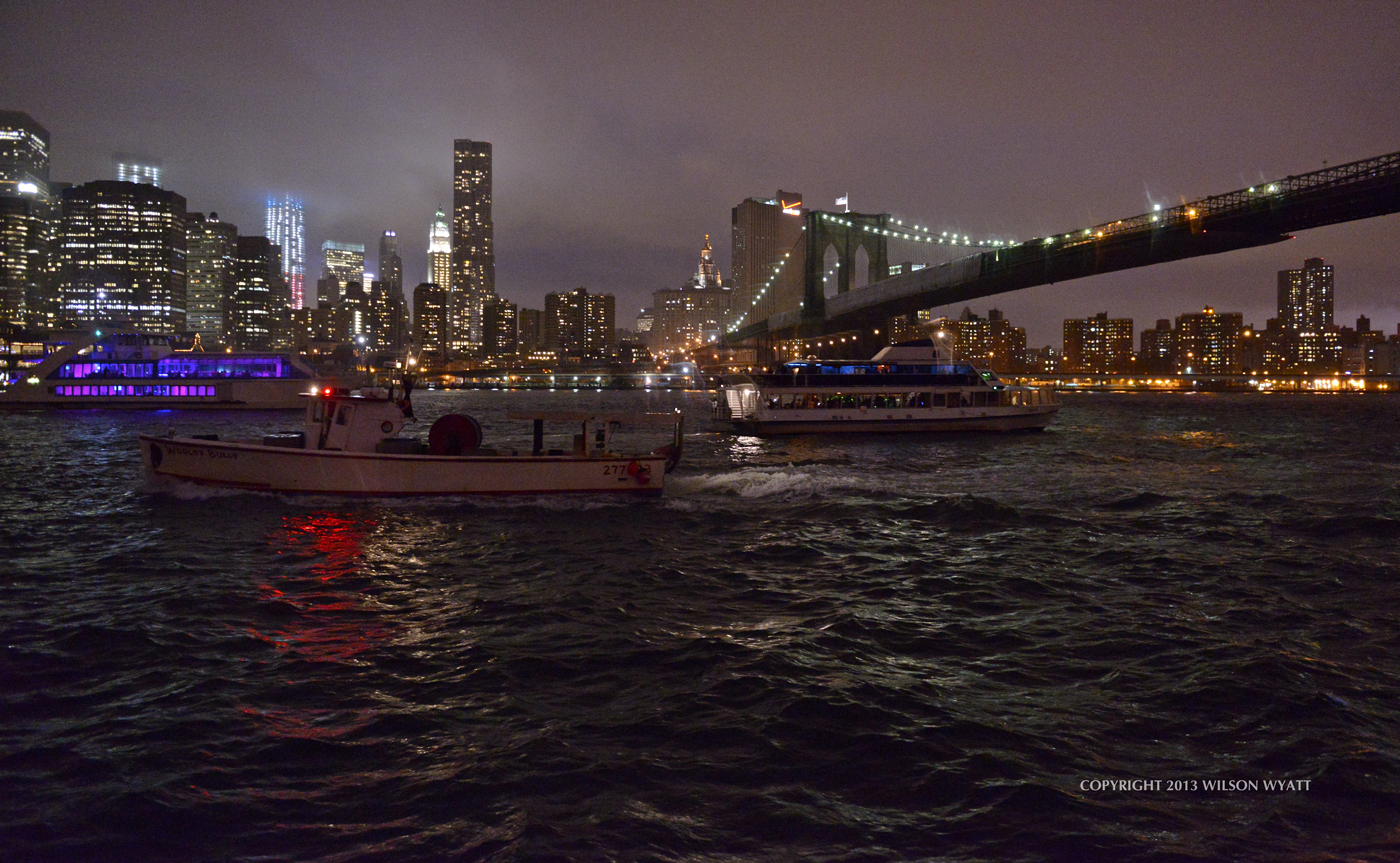
"City of Motion" - New York Skyline at dusk from Brooklyn

“City of Motion” – New York Skyline from Brooklyn as three boats pass on a misty evening – Click on photo for full image

You become the light, in a good portrait photograph.

“Chance favors only the prepared mind,” Louis Pasteur wrote.  Applying this wisdom to portrait photography, advance preparations for background, foreground, composition, and lighting give photographers a much better “chance” to create a great image.

This is part 2 of my summary about the Mentor Series lighting workshop in New York City this summer.  I promised some “photo tips” and an assortment of images taken with the professional models.  The primary sponsors of this specialized lighting workshop were Nikon and Popular Photography magazine, on behalf of Mentor Series (www.mentorseries.com).

The more we learn, the more we want to learn. I wanted to sharpen my lighting skills for portrait photography. The workshop objective was to refine the use of flash photography and portable lighting equipment (soft boxes, umbrellas, grids, etc.) to achieve excellent portrait photographs…indoors and outdoors. We used Nikon Speedlight flash units. The program was primarily for advanced amateurs and professionals, but the information would be helpful to all photo enthusiasts.

I am posting some of my portraits from the workshop below, followed by eight “photo tips” for aspiring photographers.  Working with experienced models was a pleasure.  I’ll also post a photo of our Mentor group in New York, at the end.  We learned from each other, as well as from three excellent Nikon Mentors: Lucas Gilman, David Tejada, and Paul Peregrine, all mentioned in my last article. A special “thank you” goes to the Mentor staff, who created a flawless workshop experience.

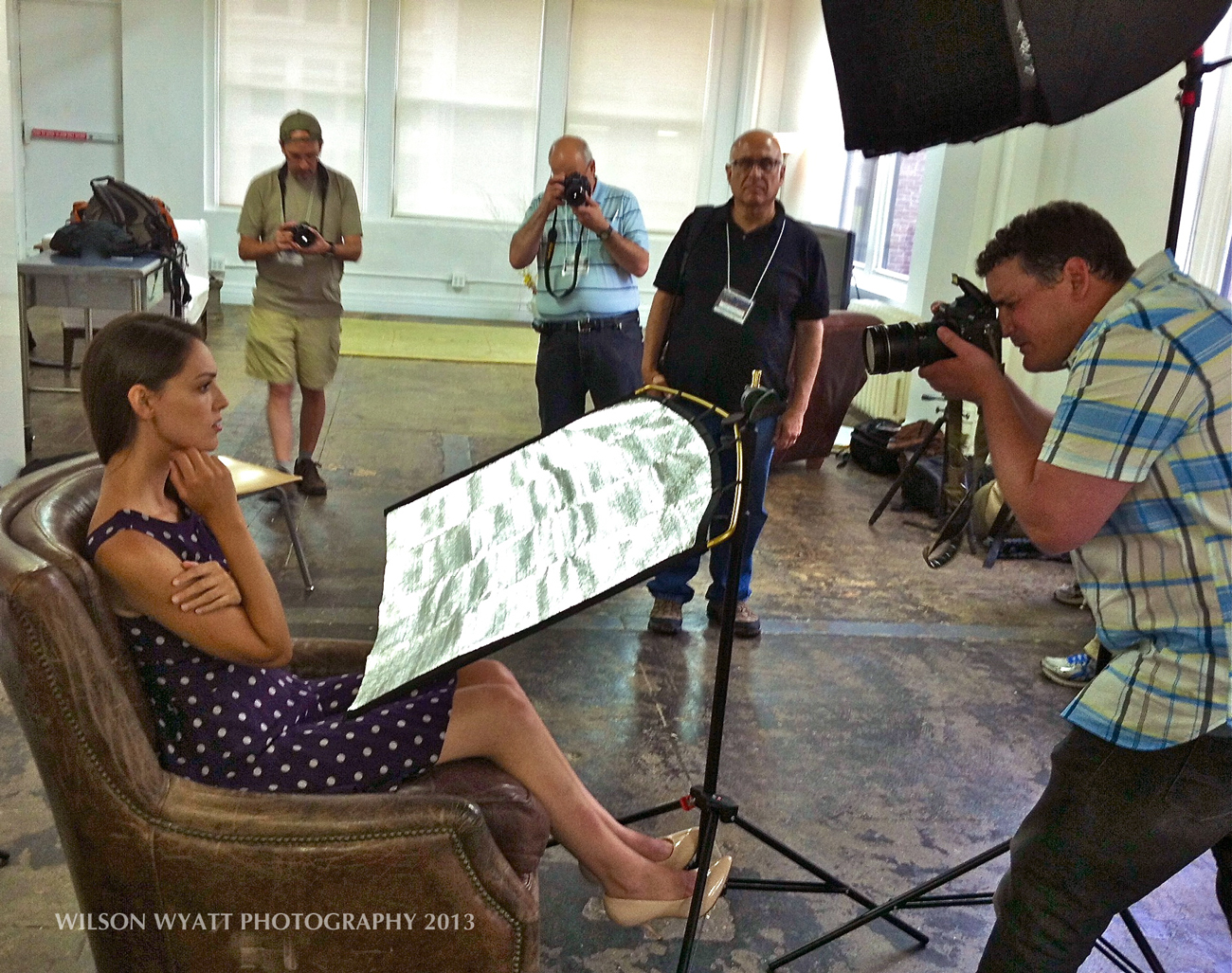
Nikon Mentor Lucas Gilman photographing model Rachel M. Woods

Nikon Mentor Lucas Gilman photographing model Rachel M. Woods (photo by iPhone)

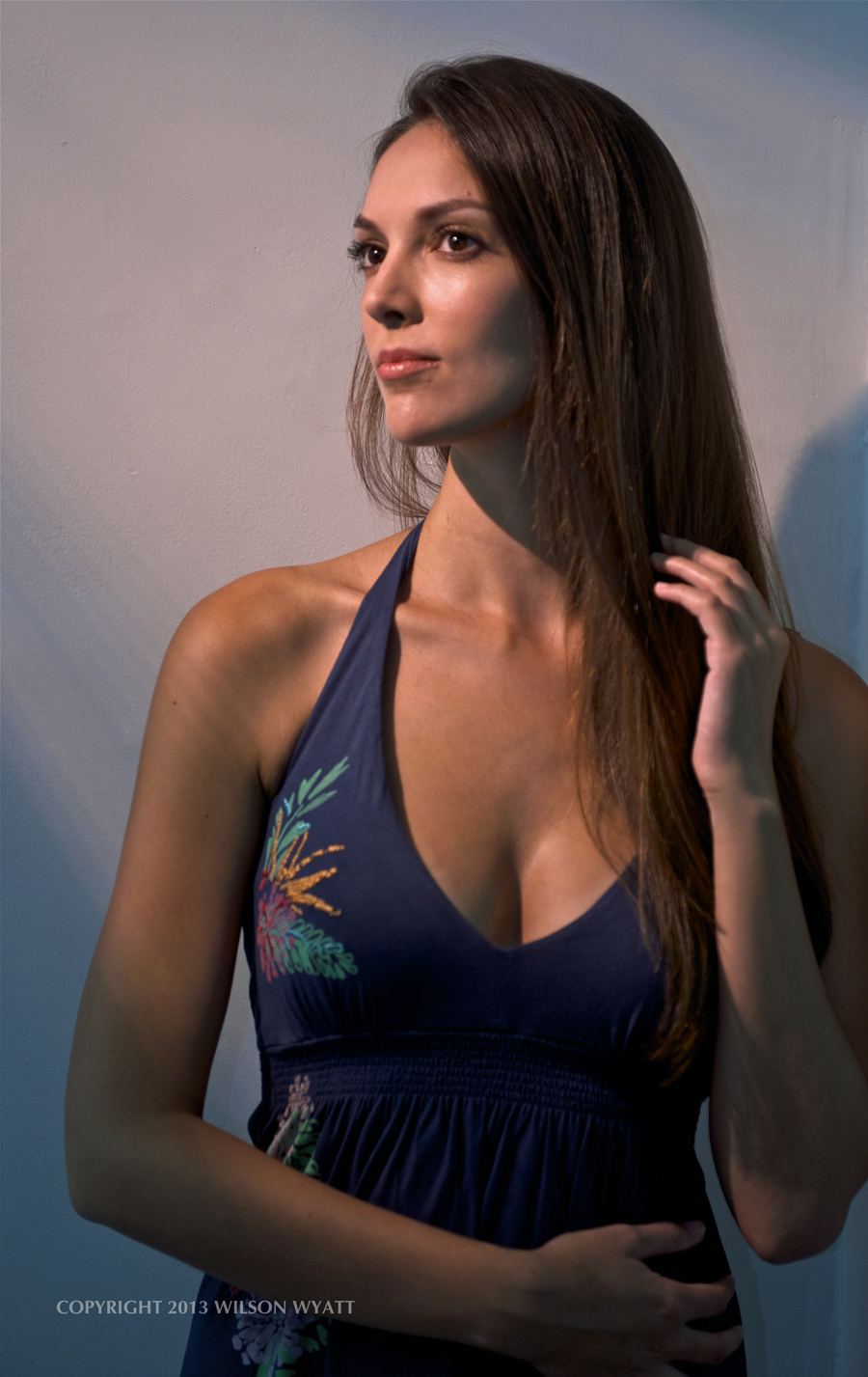
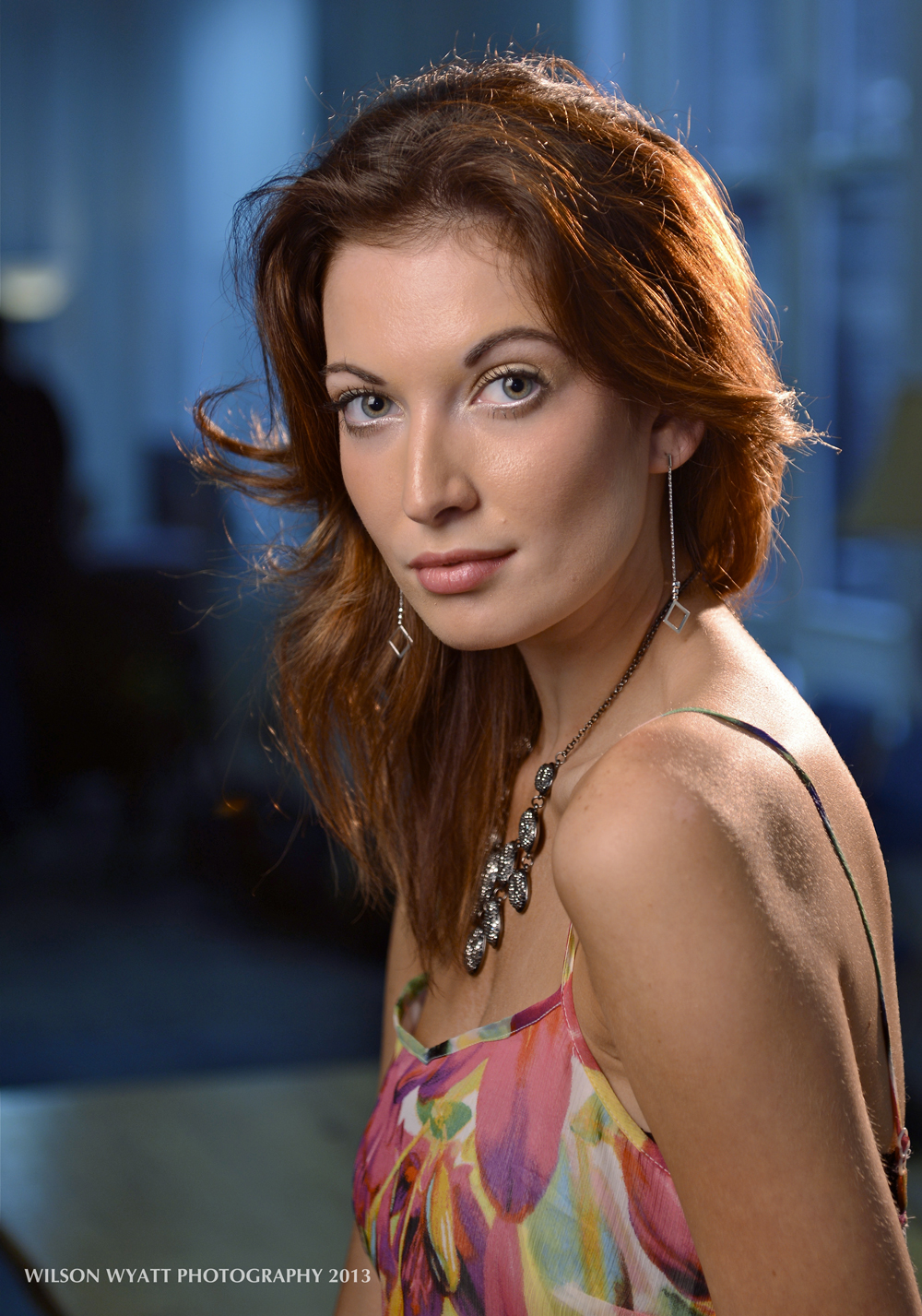
My portrait of Rachael. Her professional website is www.rachelm.co.uk.

My studio portrait of Rachel. Her professional website is http://www.rachelm.co.uk. – Click on photo for full image.

Portrait of professional model Richelle Oslinker

Studio portrait of professional model Richelle Oslinker – Click on photo for full image.

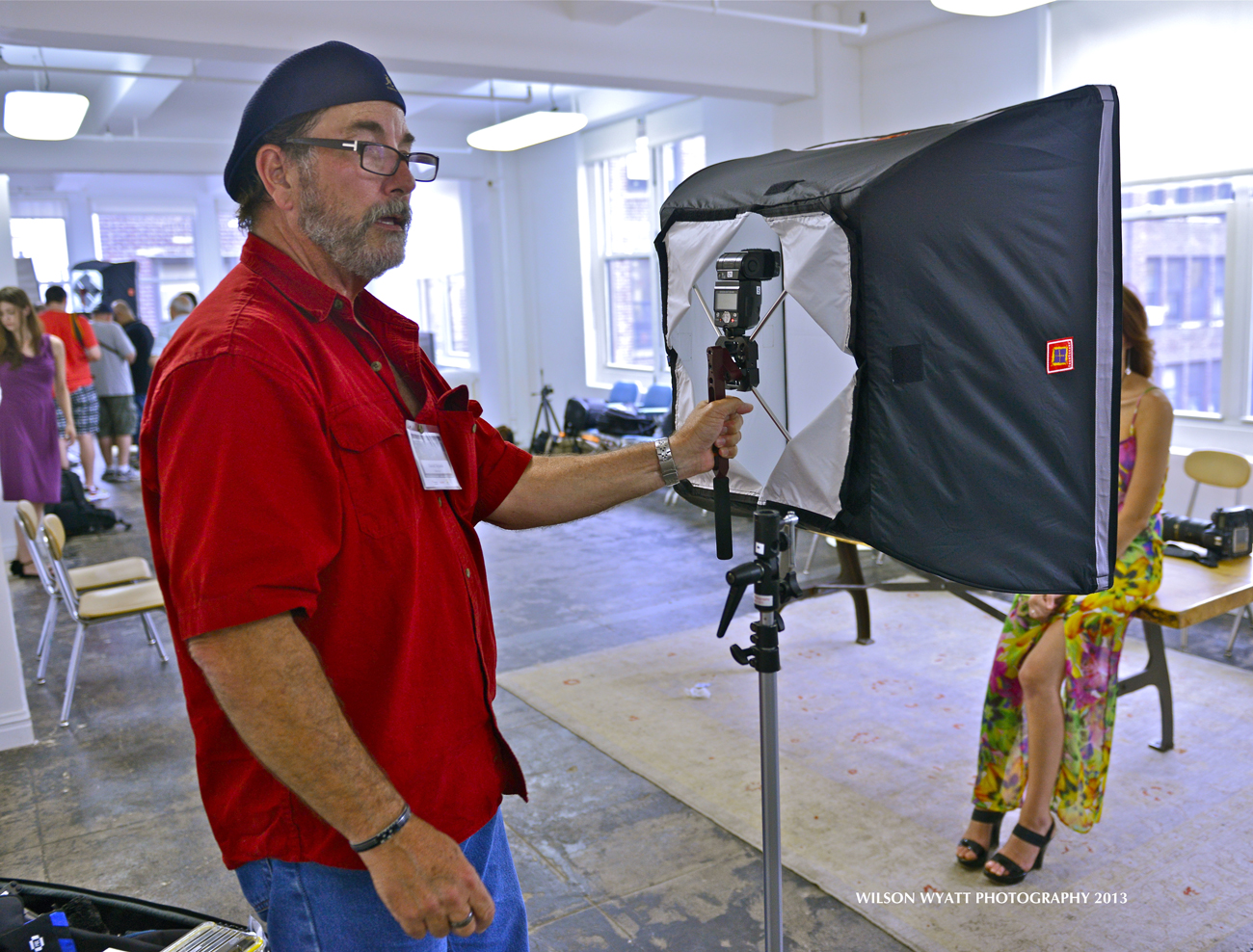
Nikon Mentor David Tejada explains "Four Square" soft box lighting while photographing model Richelle Oslinker.

Nikon Mentor David Tejada explains using “Four Square” soft box lighting while photographing model Richelle Oslinker.

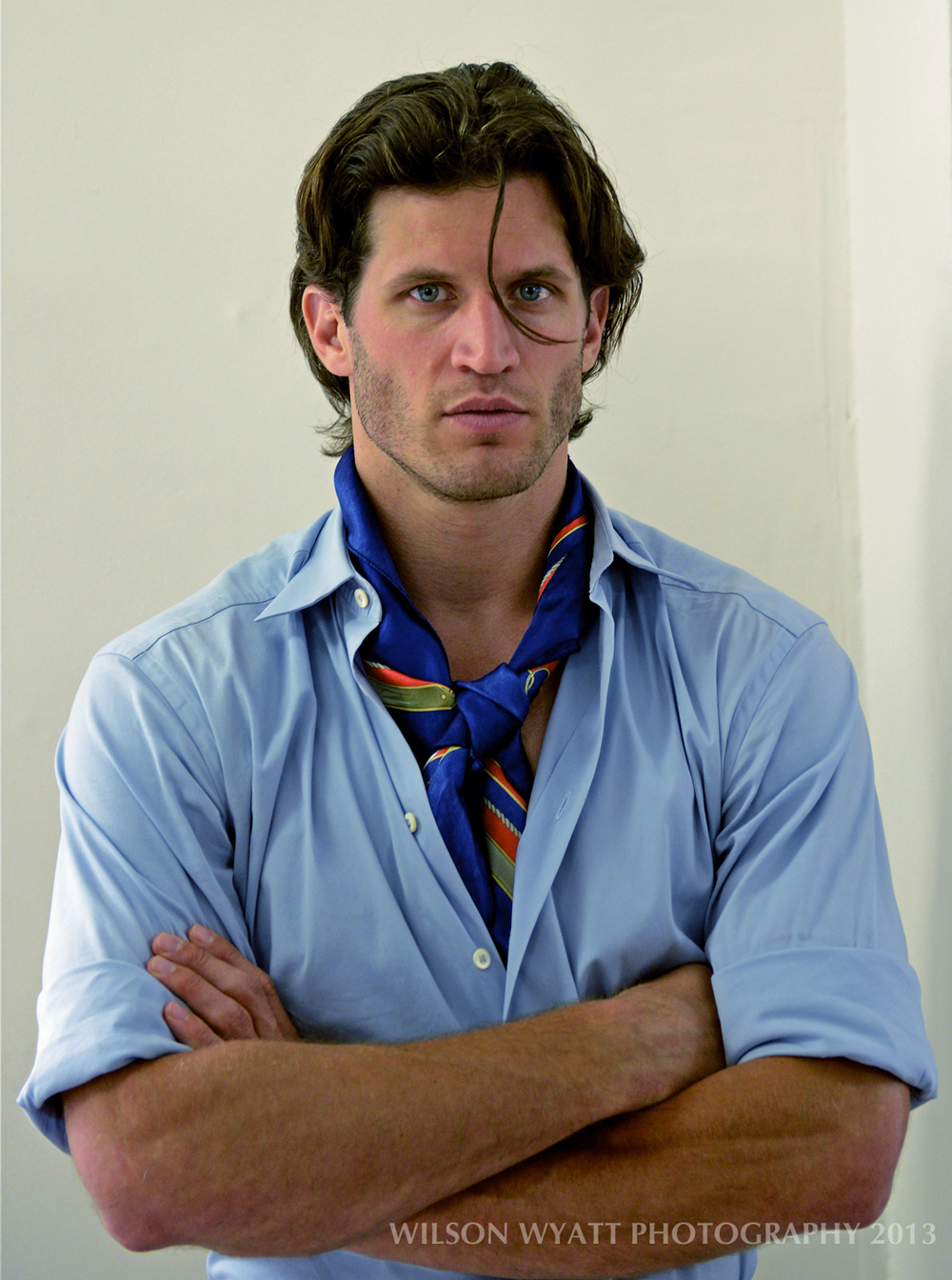
Portrait of professional model Andy Peeke

Studio portrait of professional model Andy Peeke – Click on photo for full image.

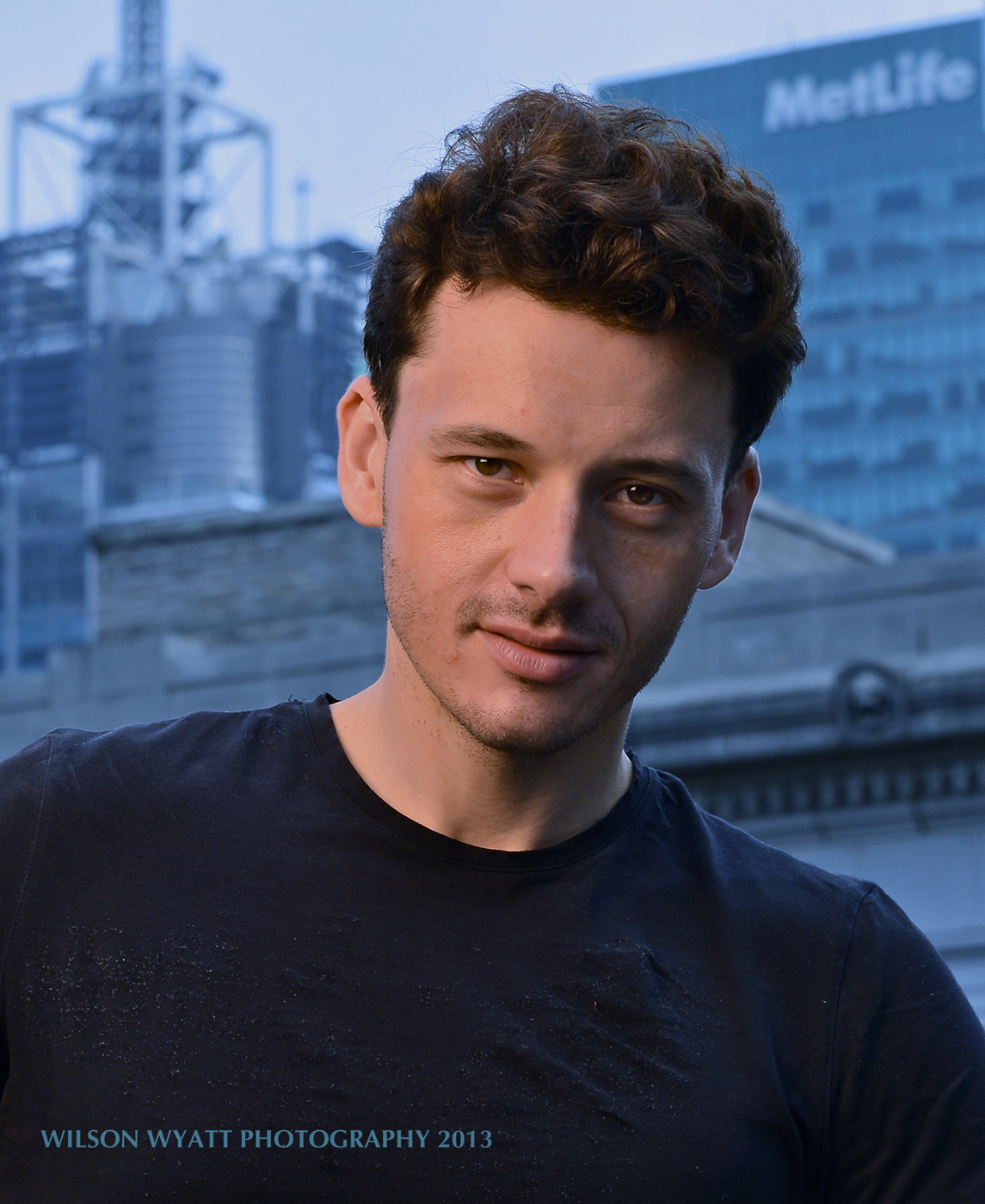
Outdoor portrait of professional model Christopher Rex Stone, with MetLife building in the background

Rooftop portrait of professional model Christopher Stone, with MetLife building in the background – Click on photo for full image.

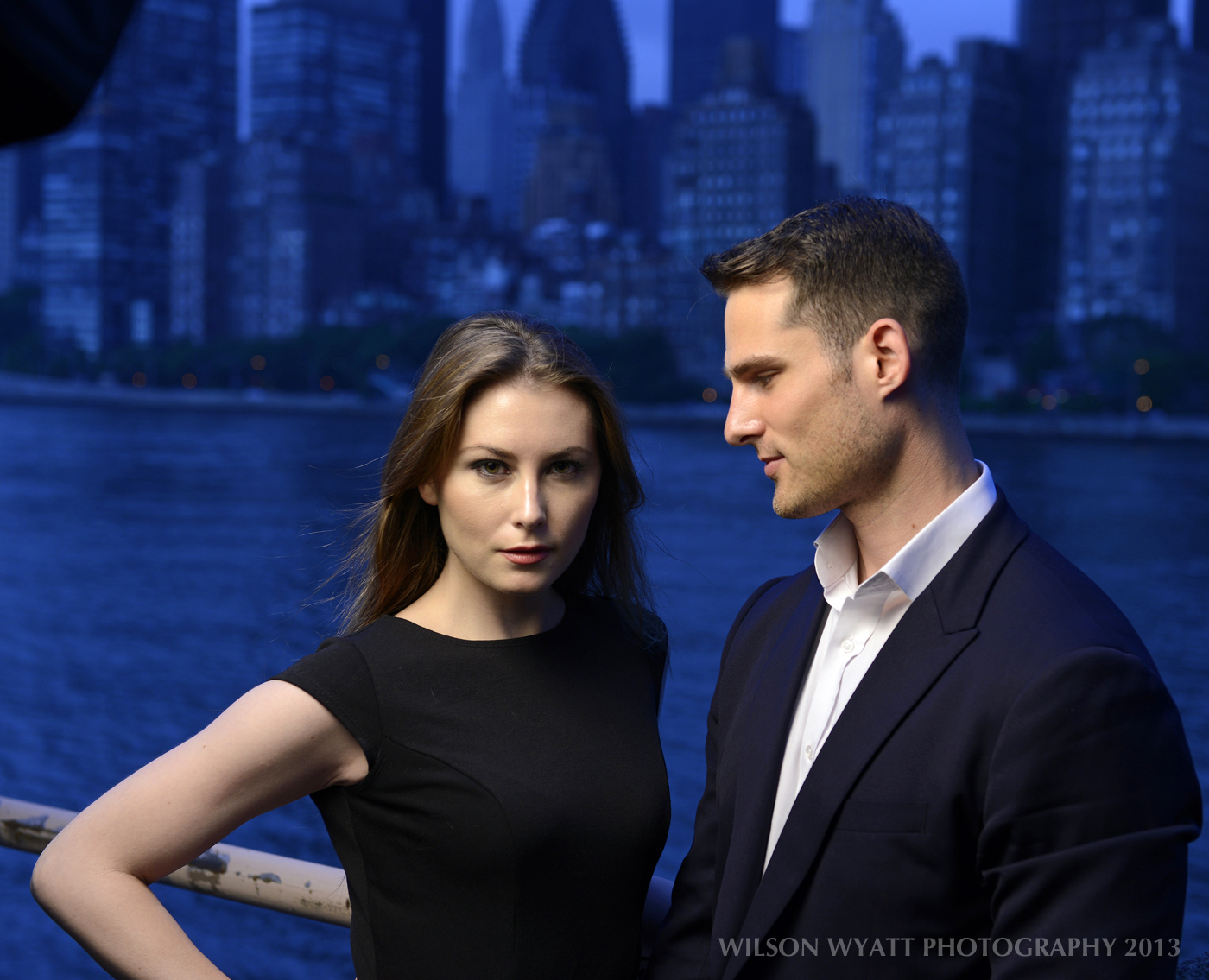
Portrait of professional models Andy Mizerek and Nastasia at night with New York background, taken from Roosevelt Island.

Outdoor portrait of professional models Andy Mizerek and Nastasia at night with the Manhattan skyline in the background, taken on Roosevelt Island. – Click on photo for full image.

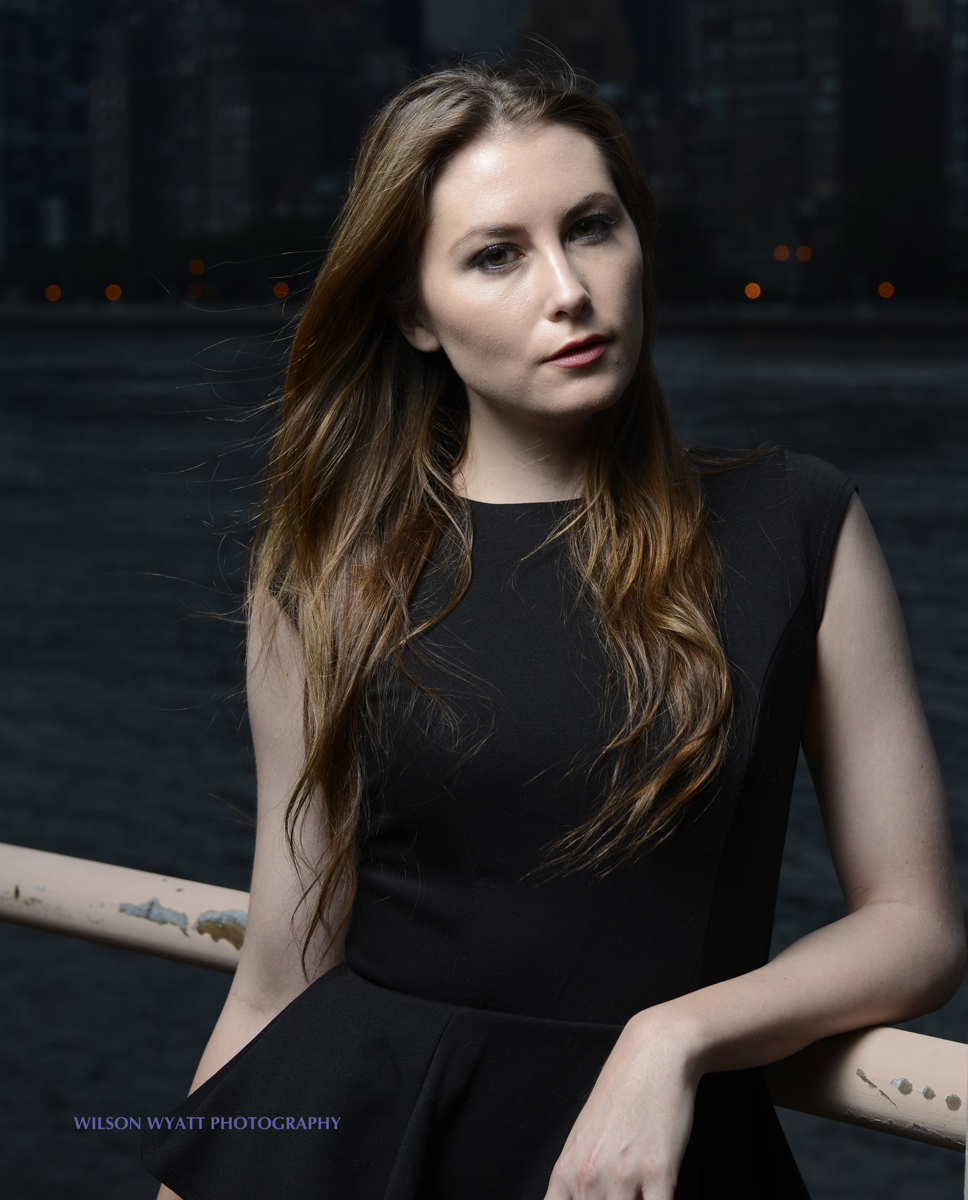
Outdoor portrait of professional model Nastasia at night against the Manhattan skyline, taken on Roosevelt Island.

Outdoor portrait of professional model Nastasia at night against the Manhattan skyline, taken on Roosevelt Island. – Click on photo for full image.


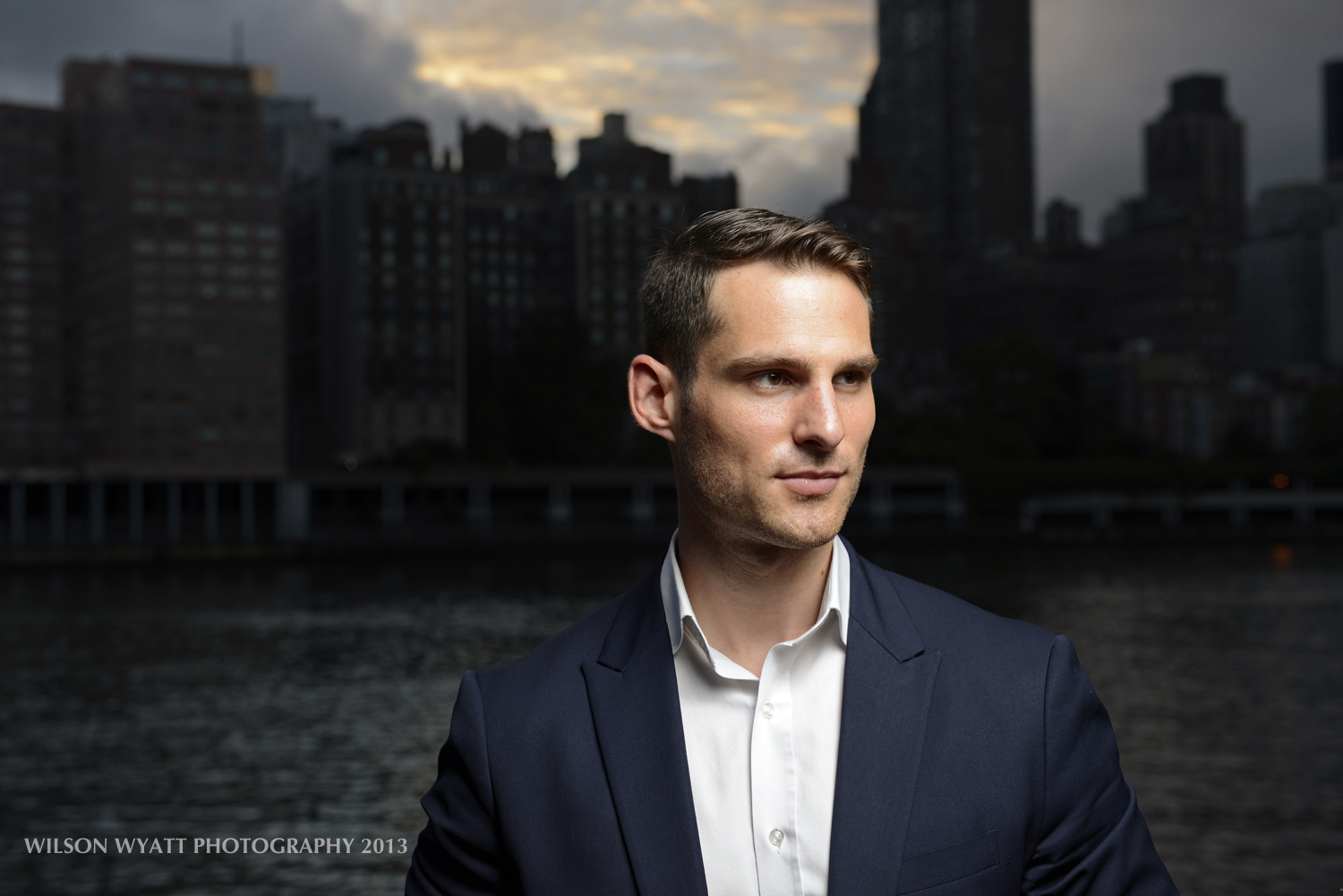
Model Andy Mizerek with background of New York skyline at dusk.

Outdoor portrait of model Andy Mizerek photographed against the New York skyline in the background, at dusk. Taken on Roosevelt Island- Click on photo for full image.

One of the keys to taking effective portraits is the choice and color tone of the background, which can make an eye-catching contrast to the clarity and natural color tones of the subject.  This is a photographer’s choice and an advantage afforded by using flash to assist ambient light. Simple changes in white balance were used to alter the background colors in the outdoor images above, in contrast to the models’ natural skin tones.

Here are eight “photo tips” I’m pleased to share:

Tip #1 – Always choose the background first. Consider the ambient (natural) light, the desired focus (or lack-of-focus), and the color tones you want in the background.

Tip #2 – Rule: shutter speed controls ambient light and motion; the aperture controls light from the flash.

Tip #3 – Therefore, the shutter speed controls the natural light of the background. Light on the subject is altered by the flash and, therefore, it is controlled by aperture.

Tip #4 – A basic principle of lighting: Exposure = Aperture + Shutter Speed + ISO.

Tip #5 – Subject lighting: The angle of incidence equals the angle of reflection. Think of the three points of a triangle as:  light source – subject – camera.

Tip #6 – To blur the background of an image, use a high-speed shutter synchronization with the flash, allowing for a larger aperture, changing depth-of-field.

Tip #7 – For critical control of skin tone, use a gray card to set the camera’s white balance.

Tip #8 – “The eyes make the shot.” Paying special attention to the eyes gives intimacy to a portrait, as seen above. Catching the blink of the flash in the eyes brings life to a still photograph.

Factoid – Regardless of a camera’s advanced technology today, for every increase of 1/2000 sec. shutter speed, the camera loses some degree of light accuracy.

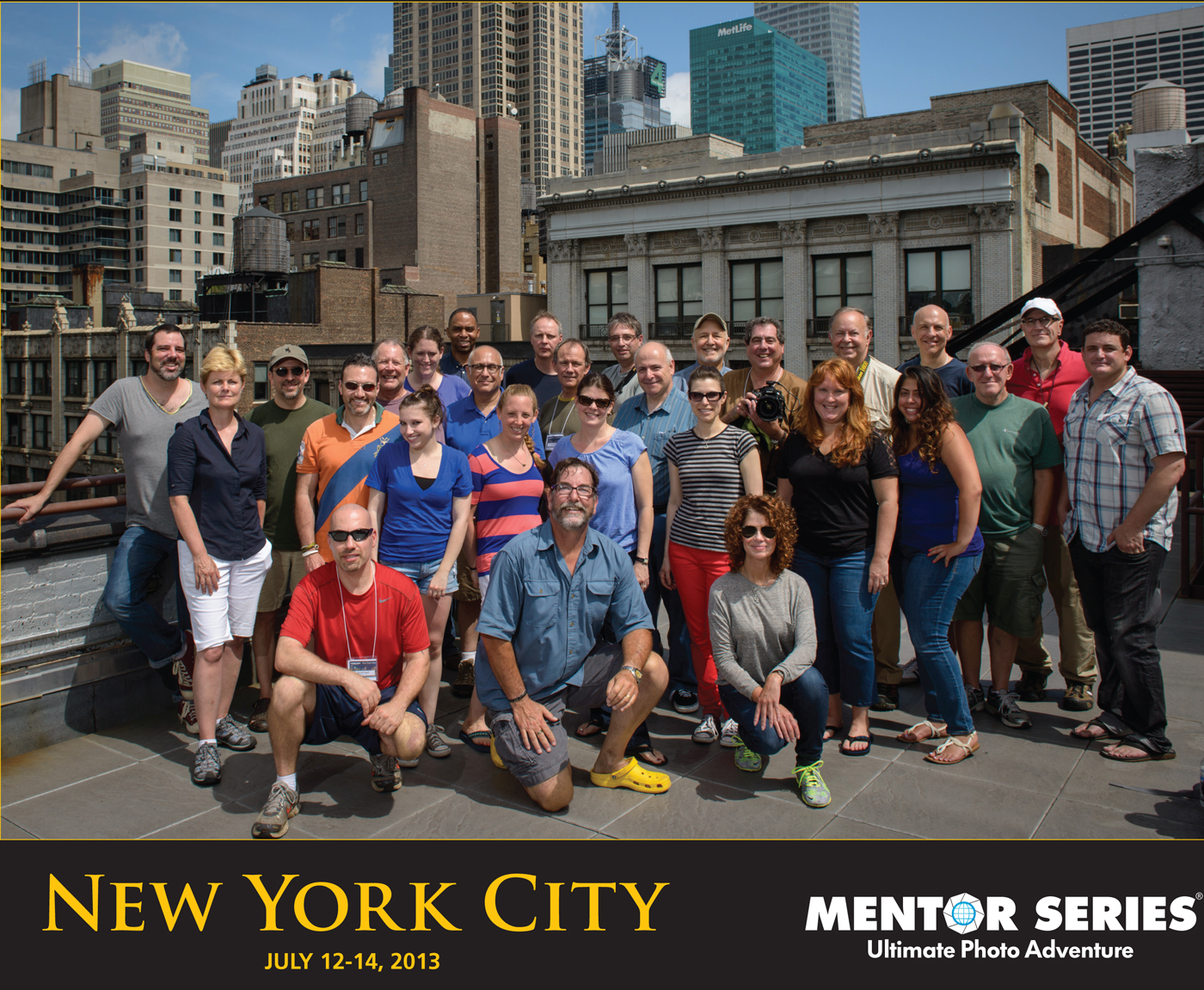
Our happy group of experienced photographers for the Mentor Series Lighting workshop:

Group-Photo-WEB

0.000000 0.000000

The value of a Mentor…immeasurable!

07 Wednesday Aug 2013

Posted by Wilson Wyatt Jr. in Mentor Series Photo Treks, NIKON, Photography, Popular Photography Magazine, Uncategorized

≈ 4 Comments

Tags

Brooklyn, David Tejada, Flash Photography, Lucas Gilman, Manhattan, Mentors, New York, Nikon, Paul Peregrine, Photo Treks, Popular Photography Magazine, Portrait Photography, Roosevelt Island, Studio Lighting Techniques, Visual Arts

New York Skyline from Roosevelt Island

New York Skyline at night from Roosevelt Island – Copyright 2013 by Wilson Wyatt                        Click on image for full view

Learning a craft opens the door to artistry. It’s true for literary and visual arts, alike. Photography is no exception. I recently experienced a Mentor Series Photography trek in New York City to learn more about flash photography for portraits. It turned out to be an eye-opening lesson about the qualities of light, like gaining a new vision of the world through a lens.

I’ve written before about the Mentor Series Photo Treks (www.mentorseries.com). They take aspiring photographers to unique locations around the globe. On this trip, 25 like-minded enthusiasts (serious amateurs and professionals) participated. The New York trek was a three-day learning venture focusing on flash photography techniques, in the studio and outdoors. Sponsored by Nikon and Popular Photography magazine, you expect the best, and Mentor delivered.

About the Mentors:

Three Nikon pro photographers, with a combined 84 years of professional experience, were our instructor-mentors.  Their work has been featured in numerous magazines, commercials, and exhibitions, worldwide. They gave each of us individual instruction, as well as helpful critiques of our images.

David Tejada (www.tejadaphoto.com), of Denver, is an amazing teacher who specializes in location photography for business and industry clients, both domestic and international. He has 30 years of professional experience. He is a master at achieving an artistic balance of lighting on the subject and background, for an outstanding image.

Lucas Gilman (www.lucasgilman.com), is an award-winning adventure photographer who grew up in the mountains of Western Colorado.  He was a winner of the American Photo Emerging Photographer Award, sponsored by Apple. While favoring natural light, he uses flash to take images beyond the ordinary.

Paul Peregrine (www.peregrinestudios.com), of Denver, is a product designer and photographer with over 40 years of experience in the business and advertising world. He is known as a problem solver for technical and logistical issues in photography. We used some of the equipment he designed.

The Mentor staff, including Michelle Cast and Erica Johnson, were instrumental in providing a flawless learning experience for all of us, regardless of changing weather conditions. A typical day of shooting started early in the morning and ended at 10 p.m.

I’ll post some portrait images after I gather releases from the professional models. Meanwhile, the photos, below, are from our lighting shoots. I’ll write more in future posts, including some great “photo tips.”

Mentor David Peregrine explains his lighting techniques.

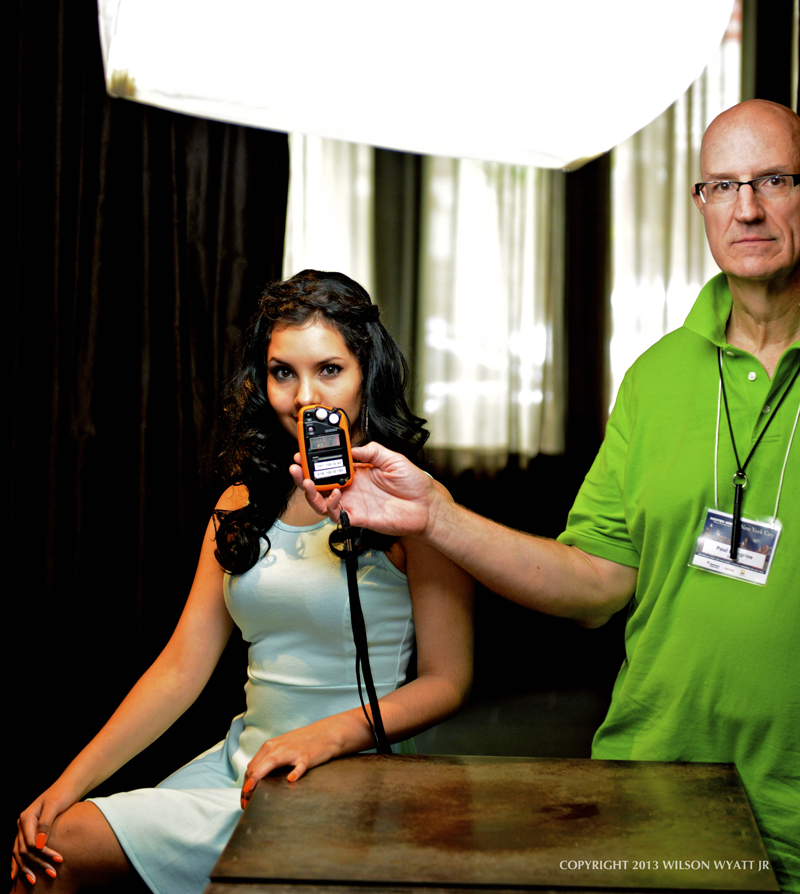
Mentor Paul Peregrine takes readings for “quality light,” in studio.                          Click on photo for full view.

Mentor David Tejada setting up a model shoot

Mentor David Tejada explains lighting techniques for a studio model shoot.                Click on photo for full view

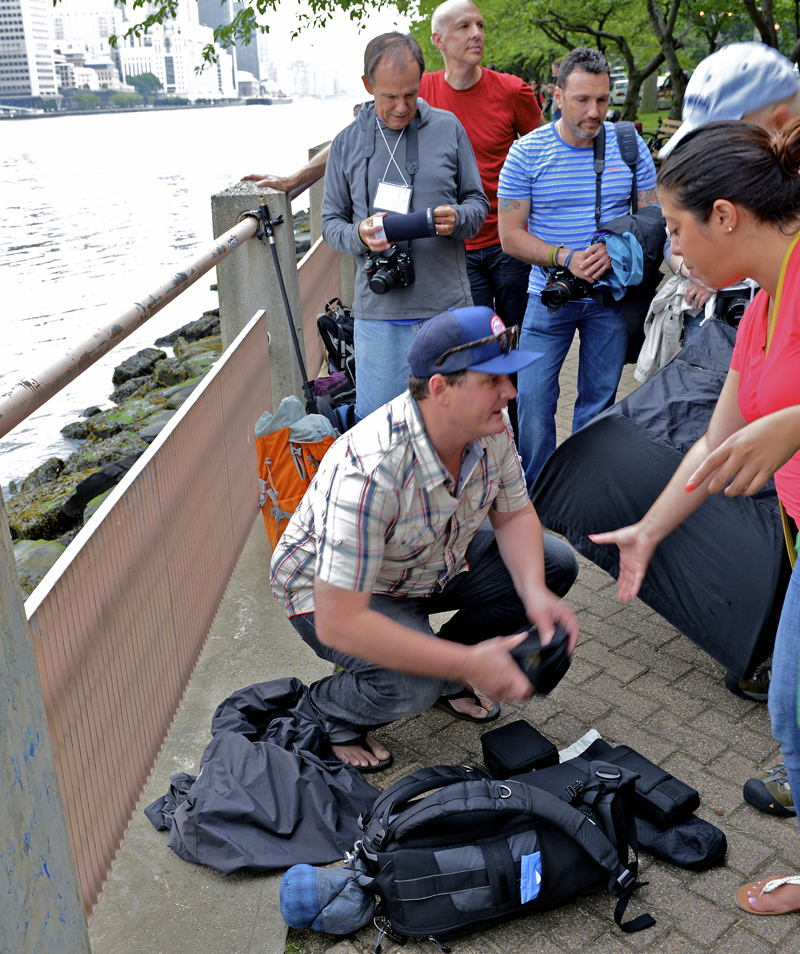
Mentor Lucas Gilman unloads camera gear on Roosevelt Island for outdoor shoot.

Mentor Lucas Gilman unloads camera gear on Roosevelt Island for an outdoor shoot.    Click on photo for full view

More to come…

40.714353 -74.005973

Community of writers…helping each other grow on the Delmarva Peninsula

25 Thursday Jul 2013

Posted by Wilson Wyatt Jr. in Inspiration, Maryland, Poetry, The Delmarva Review, Uncategorized, Writing, Writing and publishing today

≈ 2 Comments

Tags

Bay to Ocean Writers Conference, Book Clubs, Critique Groups, Delaware, Delmarva Peninsula, Eastern Shore Writers Association, Literary Journal, Maryland, Poetry, Prose, Readers, Rehoboth Beach Writers Guild, The Delmarva Review, Virginia, Writer's Community, Writers, Writing Workshops

Wilson Wyatt Interviewed - The Talbot Spy

Wilson Wyatt Interviewed – The Talbot Spy

Video interview, by The Talbot Spy, highlights the significance of a growing “writers’ community” across the tri-state Delmarva Peninsula. Part 2, Video link:  http://www.youtube.com/watch?v=0GWoGf1Y4DI

Today’s digital age gives local writers everywhere the ability to reach a worldwide audience.  Regional borders are disappearing.  This technological phenomenon, combined with dedicated volunteers, has spawned a vibrant writer’s community across the Delmarva region of Maryland, Delaware, and Virginia.

The Eastern Shore Writers Association (ESWA), Bay to Ocean Writers Conference, new critique groups, writers’ workshops, book clubs, Rehoboth Beach Writers Guild (RBWG) and many writers’ groups are growing at a healthy pace in the region. Website www.easternshorewriters.org.

The Delmarva Review, in its sixth year as a quality literary journal, is attracting prose and poetry submissions from hundreds of writers across the U.S., far beyond regional borders. Website www.delmarvareview.com

It’s a wonderful time to be a writer.  Of course, along with opportunities for writers to reach a vastly greater readership, the Internet also gives readers more reading choices than ever before.  The quality of writing has never been more important, as readers become the discerning gatekeepers of good writing.

The strength of an active writers’ community is writers inspiring each other to improve their work, share marketing and distribution experiences, and become successful.

These and other subjects were discussed in the two video interviews by The Talbot Spy:  http://talbotspy.com/arts-2/

Interview on Talbot Spy: “Wilson Wyatt, Man of Words, Part 1”

28 Friday Jun 2013

Posted by Wilson Wyatt Jr. in Inspiration, Maryland, The Delmarva Review, Uncategorized, Writing, Writing and publishing today

≈ 2 Comments

Tags

Bay to Ocean Writers Conference, Delaware, Delmarva Peninsula, Eastern Shore, Eastern Shore Writers Association, Jim Dissette, Maryland, Talbot Spy, The Delmarva Review, Virginia, Volunteering, Wilson Wyatt, Writer's Community

Wilson Wyatt, "Man of Words"

Wilson Wyatt, “Man of Words”

The strength of a writers’ community is the support it provides writers, chiefly from other writers, editors, and educators…in the forms of learning, improving, and sharing our experienced information.  We give to enrich each other.  Our rewards are immeasurable.  An example of a thriving writer’s community is on the Delmarva Peninsula, home of the Eastern Shore Writers Association, The Delmarva Review (a literary journal), the Bay to Ocean Writers Conference, critique groups, and many other organized opportunities for writers…all provided by volunteers.  This is one of the messages in Part 1 of a video interview by Talbot Spy and Spy Publications publisher, James Dissette.

You can find the interview on Talbot Spy.com, at the following link (or you can paste in your browser).

http://talbotspy.com/wilson-wyatt-promoting-eastern-shore-writers-part-1/?utm_source=rss&utm_medium=rss&utm_campaign=wilson-wyatt-promoting-eastern-shore-writers-part-1&utm_source=Talbot+Spy+Subscription&utm_campaign=53578889ad-RSS_EMAIL_CAMPAIGN&utm_medium=email&utm_term=0_1a41d88584-53578889ad-290397505

Or…link to YouTube: http://www.youtube.com/watch?v=Q3Y0SfcNIJc

The value of a “writing community”…transcending borders

07 Friday Jun 2013

Posted by Wilson Wyatt Jr. in Inspiration, The Delmarva Review, Uncategorized, Writing

≈ 2 Comments

Tags

Books, Borders, Combat Veterans, Delmarva Peninsula, Eastern Shore Writers Association, Healing, Maryland, Novels, Personal Essay, Poetry, Public Radio Delmarva, Publishing, Ron Capps, Salisbury, Veteran's Writing Project, veteranswriting.org, War, Writers, Writing Community, WSDL, www.delmarvapublicradio.net

Hal Wilson, of the Eastern Shore Writers Association, interviews Ron Capps in Public Radio Delmarva’s studio (WSDL, Salisbury). - Photographed by Wilson Wyatt

Hal Wilson, left, of the Eastern Shore Writers Association, interviews Ron Capps in Public Radio Delmarva’s studio (WSDL-FM, Salisbury). – Photographed by Wilson Wyatt

Several friends are currently publishing their literary work. With each, a writing community contributes to the achievement.

I think of this from time to time. Why do I volunteer to help other writers? Does a writers’ community really benefit writers?

The answers are powerful affirmations.

A writer once told me of a desire to publish more work in local publications, but opportunities were diminishing. Does that sound familiar?  I asked why he was thinking locally when he could consider a much larger universe…beyond local borders.  A little nudging, and assurances from a larger community of writers, expanded his vision and potential. His determination was fueled for the hard work to complete and publish books capable of reaching a vastly greater audience…now a major accomplishment for the author.

Another example is about a combat veteran of five wars, Ron Capps.  Parts of his story have been told in the national media and are still being unveiled.

As a very capable writer, Ron decided to use writing to apply his experiences to three new and meaningful purposes.  First, writing enabled him to face and manage the horrors of combat that were relived in his mind daily.  It was a means of confronting and healing.  Appreciating this strength, he initiated a major project to teach other combat veterans, and their families, writing techniques for their healing and expression.

He recognized the value to show the rest of the world, through veterans’ writing, that there were other costs of war we don’t think about, that aren’t reported by the daily media. Only one percent of Americans are engaged in military duty today. Combat veterans, through writing, can “bear witness” for us to comprehend the personal impact of combat and war. As a society, we can become better informed before making decisions about going to war.

This week, two of us from the Eastern Shore Writers Association, hosted  Ron at the Public Radio Delmarva station (WSDL-FM) in Salisbury, Maryland, to record a special radio segment, “The Writer’s Edition,” about his experiences and inspiration to create the Veteran’s Writing Project, veteranswriting.org.  It will air on June 28, contributing his message to a new audience.

Ron Capps also wrote a powerful personal essay that will be published in The Delmarva Review’s sixth edition, in October, expanding the reach of his story among literary readers (www.delmarvareview.com).

These stories “bear witness” to a writing community helping writers in their work while contributing something meaningful to a far greater audience.  The value of a writing community transcends us…it transcends borders.

A Choice…entertainment tonight, or poetry to inspire me for the rest of my life – Richard Blanco’s “One Today”

18 Saturday May 2013

Posted by Wilson Wyatt Jr. in Aging and Freedom, Inspiration, Poetry, The Future, Uncategorized, Writing

≈ 4 Comments

Tags

Choices, Cuba, Emigration, Feelings, Inaugural Poet, Inspiration, Memories, One Home, One Nation, One People, Poetry, Richard Blanco, The Writer's Center, United States, Writing

_WWW3426web

I had that choice this week…one of those times to pick between the ordinary and the extraordinary.  I could have seen a good movie or a play or a show on TV.  Nothing wrong with that.  Today, entertainment is only a “click” away.

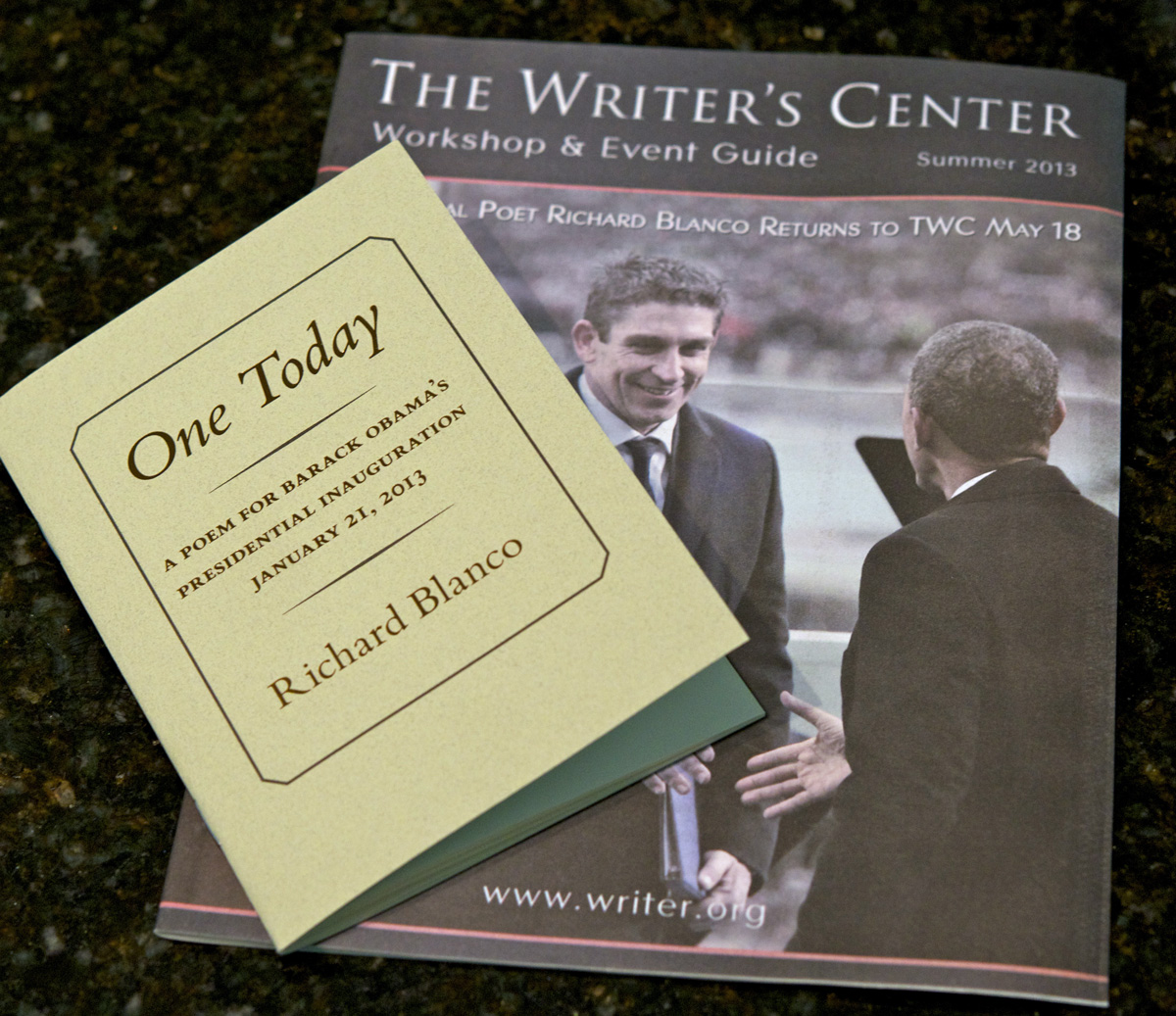
But, instead, we drove two hours to a special reading of a poem.  To hear Richard Blanco, the fifth Inaugural Poet in history, read from his personal poetry and “One Today,” the poem he wrote for the nation…at the 2013 Presidential Inauguration.  I knew this would be unique, rarely to be repeated in a small gathering, as the poet told his story.  Another emigrant making an indelible contribution to the United States.

My wife and I attended…no, we listened…at a special gathering orchestrated by The Writer’s Center, in Bethesda.  The poet, one of the Center’s former teachers, told his remarkable story.  These were the words behind the words…some of the raw history behind the music of his poetry.

Richard Blanco has been acclaimed in poetry circles, winning praise and awards, but now he is known as one of the few poets to be celebrated on the world stage.  This would be a distinctive experience, one of those times I could place delicately in my memory, offering inspiration on demand…a gift that keeps on giving.

From the ending of his poem, “One Today”

We head home: through the gloss of rain or weight

of snow, or the plum blush of dusk, but always, always

Home, always under one sky, our sky. And always

One moon like a silent drum tapping on every rooftop

And every window, one country—all of us—

Facing the stars. Hope—a new constellation waiting

For us to map it, waiting for us to name it—together.

# # #

A special “thank you” to my friends at The Writer’s Center, “one home,” a writer’s home, for creating this personal opportunity.

Self-publishing today…dependable truths

11 Thursday Apr 2013

Posted by Wilson Wyatt Jr. in The Future, Uncategorized, Writing, Writing and publishing today

≈ 2 Comments

Tags

Agents, Amazon, Author's Platform, Authors, Book Design, Books, Distribution, Editing, Empowerment, Good Writing, Hybrid Authors, Marketing, Metadata, New Agents, Publishing, Readers, Self-publishing, Social Media, Traditional Publishing, Writer's Digest Conference East, Writing

 
Writer's Digest Conference East, New York

Writer’s Digest Conference East 2013 – New York, NY

Finding dependable “truths” from the turbulent publishing world is like trying to catch a bird from a roller coaster.  By the time you reach up, publishing has flown by, in new directions.  The best advice may be to climb aboard, enjoy the ride, and focus on the track ahead.

I just returned from the annual Writer’s Digest Conference (WD), in NYC, which included an entire day devoted to self-publishing, during the three-day event.  It’s surprising how the publishing world has changed in one year.  From the growth of  “metadata” techniques to the successes of a new category of “hybrid writers” (those who combine self-publishing with traditional publishing) to an evolving role for “nimble” agents, a vanguard few who are transforming from traditional agent to “change agent”…so much valuable information for writers.

It was interesting, as well, to see that in the midst of all this dazzling change, some basic things remain the same. I’ll elaborate below.

Here are a few highlights gleaned from the presentations. I think they are accurate or representative of the publishing marketplace, at the moment.

  • 70% of traditionally published authors who have also self-published, prefer to self-publish their books. The author is empowered. (WD survey of 5,000 authors)
  • Ironically, 68% of self-published authors still want to be traditionally published, a lingering “prestige” factor. (WD survey)
  • A new category of “hybrid authors” is emerging, those who combine self-publishing and traditional publishing for the same book project.
  • “Hybrid authors” sell more books, on average, and receive 38% more book revenue than either traditional or self-published authors, and they are more aggressive in marketing.
  • Marketing is up to the author, regardless of traditional or self-publishing.  While not new, many writers still think publishers do the marketing.  That’s not the case.
  • The one key advantage of traditional publishers is they assign an experienced project editor to the author, guiding the book from beginning to completion (content, line, and proofreading editing).  Self-published authors must do the same, on their own.   However, a traditional publisher controls the content, design, and keeps the book rights, paying the author only 15% of sales.  Advances have almost disappeared, except for major authors.
  • The democratization of marketing online is what is new and essential, not the author’s platform.  “Authors have a load of work to do,” said Joe Fine, of Amazon.com.
  • Word-of-mouth is still the best way to reach readers, based on a recent survey.
  • Distribution is king. When selecting your publishing imprint, think how it can be distributed as far as possible. Some self-publishing houses are proprietary, limiting distribution.
  • Know your audience, first.  Define the audience in detail. Then plan marketing accordingly, including who is on your launch team.
  • The “author’s page,” as an online site, is the critical place to sell your book.
  • While self-publishing is no longer a stigma, some traditional writers and agents still hold onto remnants of the past.  Why? Unfortunately, many self-published books are not written well or carefully edited.
  •  “If you write a good book and it develops a following, believe me, the agents will find you.” – Keith Ogorek, of Author Solutions, Inc.
  • New agent’s role can be additive to sales, bringing the knowledge of many publishing options to the author.  The “new agent” (only a few, so far) can help link the author to markets and accelerate sales.  This is a growing field: “change agents.”
  • Understand the “metadata” and check it frequently as your book travels through the distribution pipeline.  This is more important as we move toward an open source Web, worldwide (Web 3.0).  If data can’t speak to each other, a book’s availability becomes limited in a worldwide marketplace.  Good data results in more sales.  This is a growing topic.
  • Book design is more important than ever, for e-books and print.  In short, consider paying for a professional book designer who knows the current marketplace, including the technology necessary for your audience to find your book.  The cover art and layout is critical.  Don’t rely on your best friend’s artwork…if you want readership.
  • While authors are more empowered by self-publishing, readers are also more empowered…by online distribution.  They have far more choices for books to read.

What remains the same:

  • Marketing is still marketing.  The basics are not new.  Only the delivery systems have changed.  Social media is only a means, among many.  It’s good to keep up with social media and online techniques, but it’s far better to spend most of your time writing a good book and knowing your audience.
  • Good writing!  Nothing is more important than a well-written book.  It trumps clever marketing ideas and establishes your reputation among readers.
  • Editing.  Nothing turns off a discerning reader faster than poor editing.
  • Readership determines sales.

These are only a few highlights from a huge array of detailed information.  If you want to know more, let me know.  I’ll probably post again on this subject in the days ahead.

If you are genuinely interested in self-publishing, you can attend the “Publish Now” seminar for writers, all day on Saturday, October 26, 2013 at The Writer’s Center, in Bethesda, Maryland. This is an annual “how-to-do-it” event that will speed your way to publishing your work. You’ll learn what to do and avoid many of the common errors, all from a dependable, independent source. Check their website for details: http://www.writer.org or call: (301) 654-8664.

In the meantime, we can all enjoy writing, writing, and rewriting…as well as reading a great book.  It’s a good ride.

When photography translates a feeling from one human to another, its craft turns into art.

14 Thursday Mar 2013

Posted by Wilson Wyatt Jr. in Chesapeake Bay, Photography, Uncategorized, Writing

≈ 4 Comments

Tags

Art, Chesapeake Bay, Craftsmanship, Feelings, Photography, Time, Tonging for Oysters, Watermen

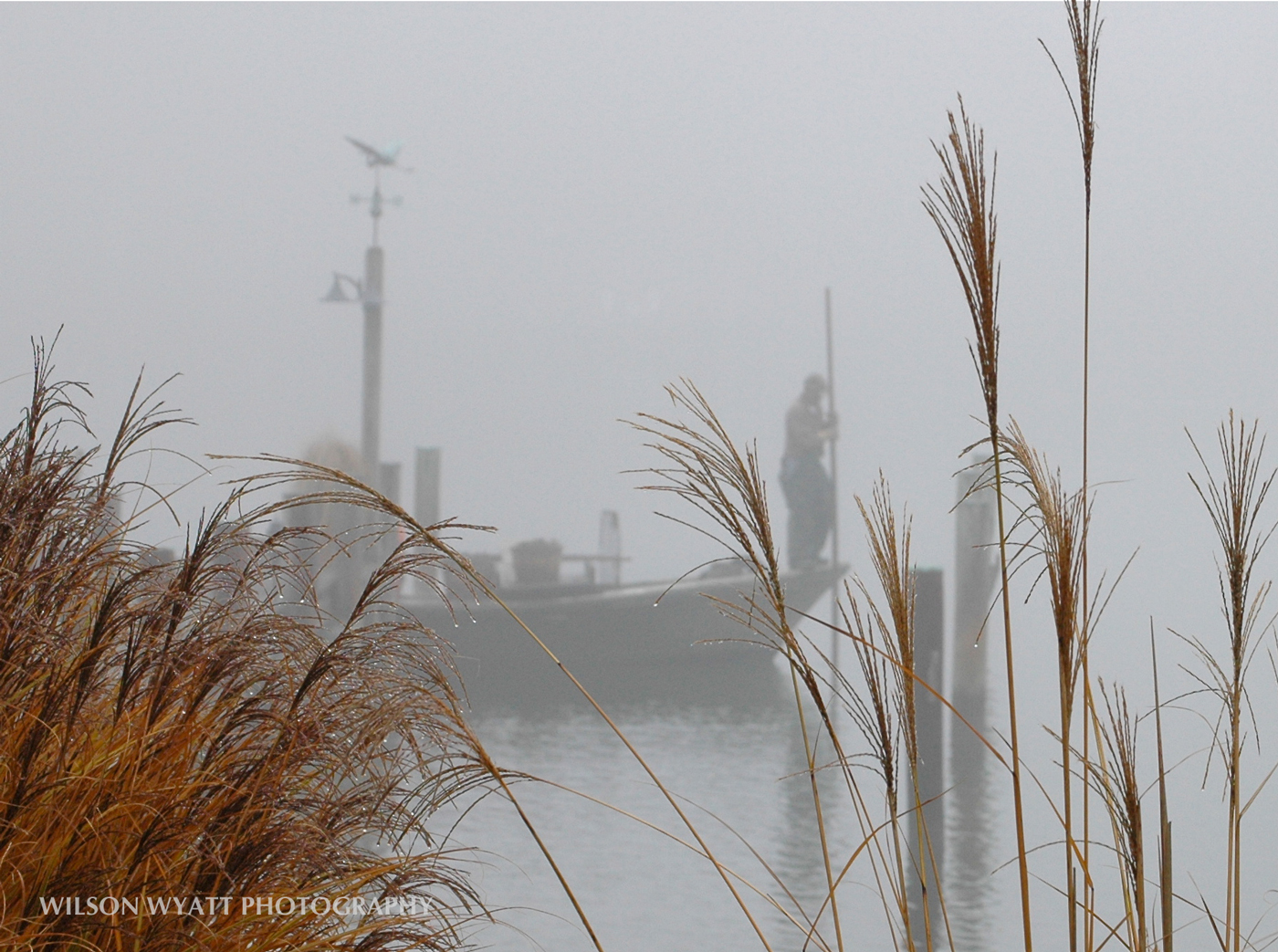
Tonging for Oysters II - click on image for larger view

Tonging for Oysters II – click on image for larger view

I believe the same is true for all the arts.  There is craftsmanship, and there is art.  We struggle to master our craft, hoping to create something worthy of becoming art.  We don’t have to do that.  There is pleasure in craftsmanship.  But when artistry happens, we know something special has occurred. The creation is exhilarating, for both the artist and the audience.

Photography…learning from a mentor can be a magical experience.

12 Wednesday Sep 2012

Posted by Wilson Wyatt Jr. in Best of Maryland Photo Contest, Chesapeake Bay, Maryland, Mentor Series Photo Treks, Photography, Thomas Point Lighthouse, Uncategorized

≈ 4 Comments

Tags

Butterflies, Chesapeake Bay, Corey Rich, Dragonfly, Flowers, Mark Alberhasky, Marshlands, Maryland, Mentor Series Worldwide Photo Treks, National Geographic, Nikon, Popular Photography Magazine, Thomas Point Lighthouse

Image

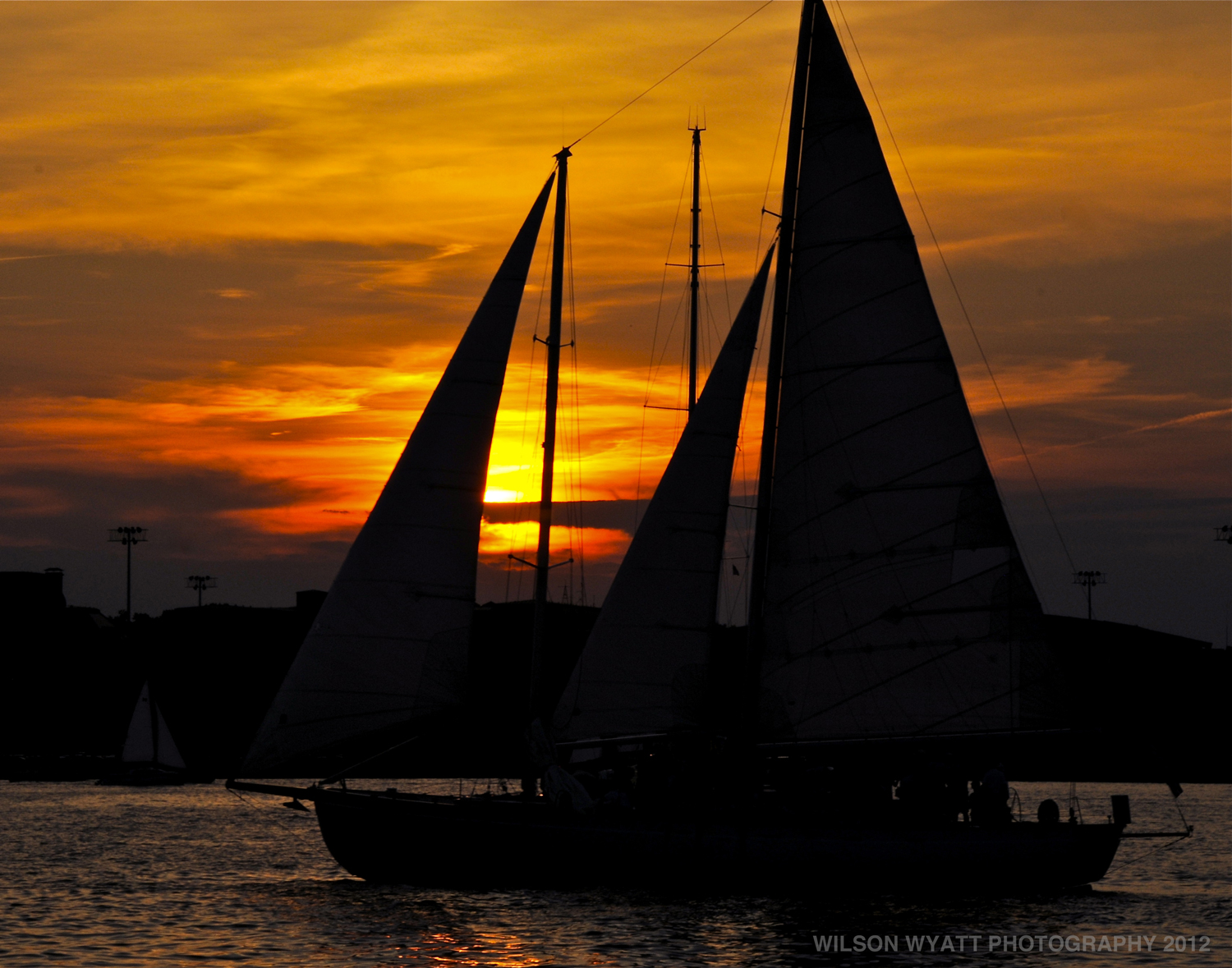
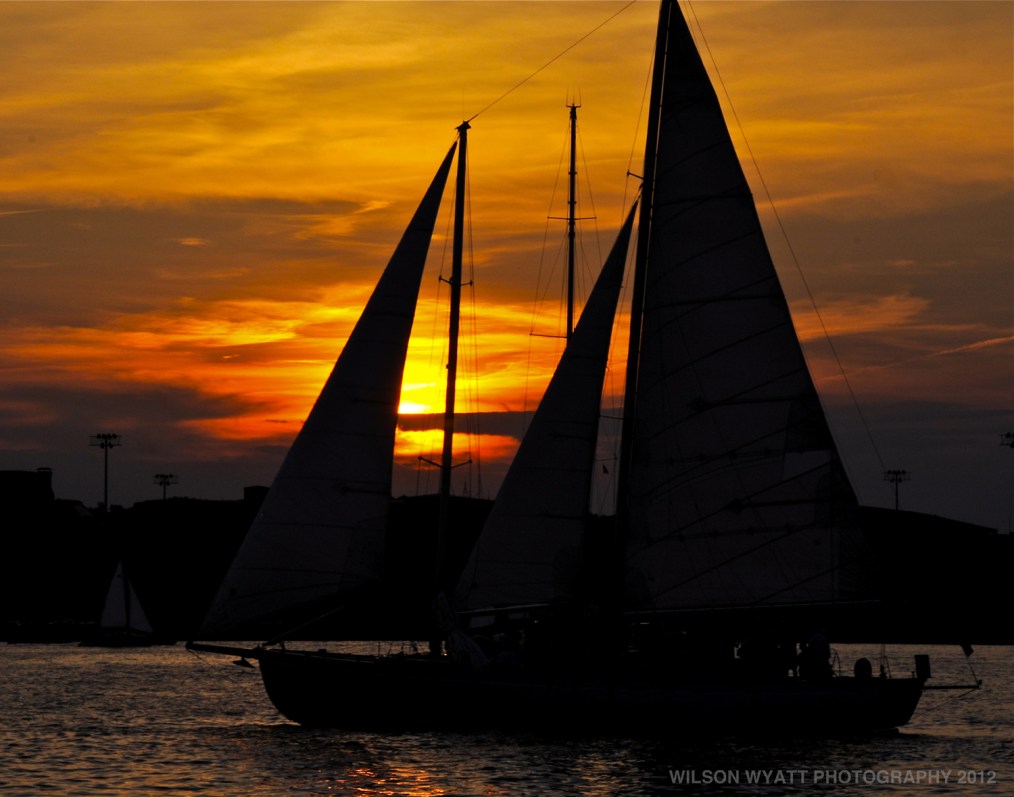
– Schooner Heading Home at Sunset, Chesapeake Bay  (click photo for larger image)

Photography…learning from a mentor, a master of craft, can be a magical experience.  I recommend it for all aspiring photographers. If you want to take better photographs, I don’t know of a better way. In this post, I’ll mention some photographic tips from Nikon’s professional mentors. 

Writing and photography are two of my artistic passions.  Each is part “craft” and part “art.” Each engages visual perception as a gateway to the mind. Even our memories of events past are visited through the “images” we store in our minds.

I had the pleasure of joining two Nikon mentors recently for a three-day trek through the Chesapeake Bay country of Maryland. On a July blog post, I promised to share more about the experience. Instead, I decided to pass along a few tips and techniques, which may be useful to you.  I’ll also post some of my images from the trip.

First, some credits. Mentor Series Worldwide Photography Treks is the group that organized the trek in Maryland, last June. Nikon is a key sponsor. The website is: www.mentorseries.com. You can check out some of their fabulous photo journeys at beautiful spots around the world. But, be prepared to do some serious work (it’s all fun!) and to enjoy meeting a small group of like-minded aspiring photographers. There were about 25 on my trek. We learned from each other, as well as from the pros.

The two mentors were Mark Alberhasky, from Atlanta, and Corey Rich, from San Francisco. You’ve seen their stunning images in national magazines, from Nikon World to National Geographic. You can’t beat the one-to-one learning experience. Mark’s website is http://imagema.com and Corey’s is www.coreyrich.com. Check them out. They have very different approaches to photography, yet they are complimentary teachers. Mentor Series did a nice job of pairing these photographic masters.
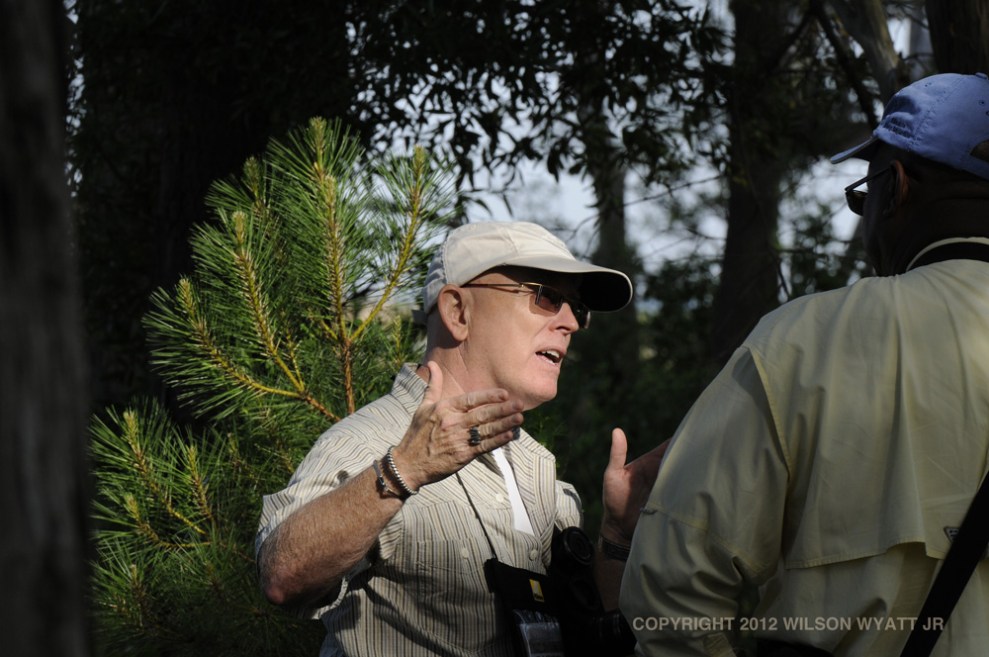
Image 

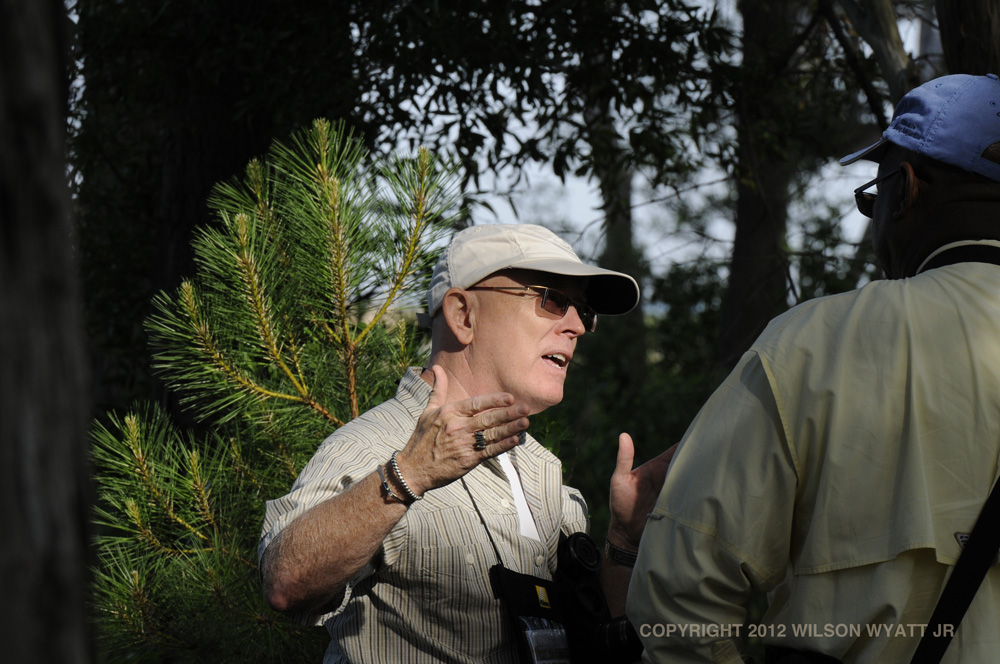
– Professional Nikon photographer Mark Alberhasky, above, explains technique to a member of our group.
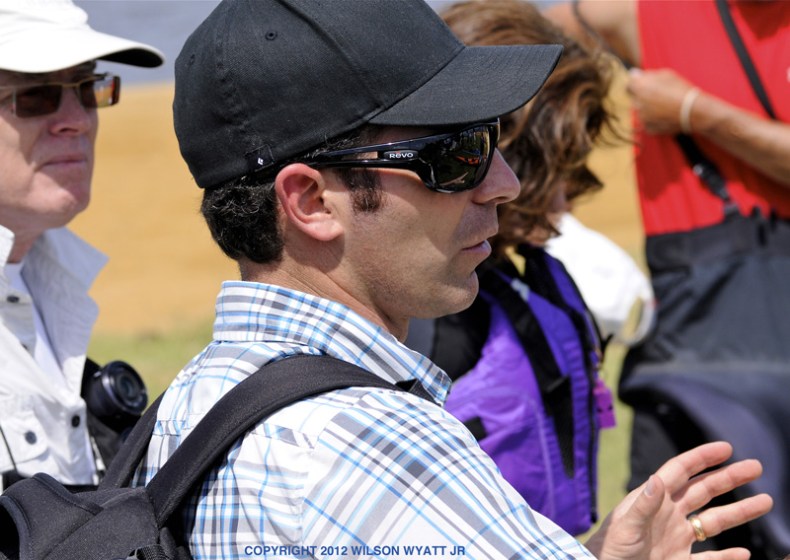
Image

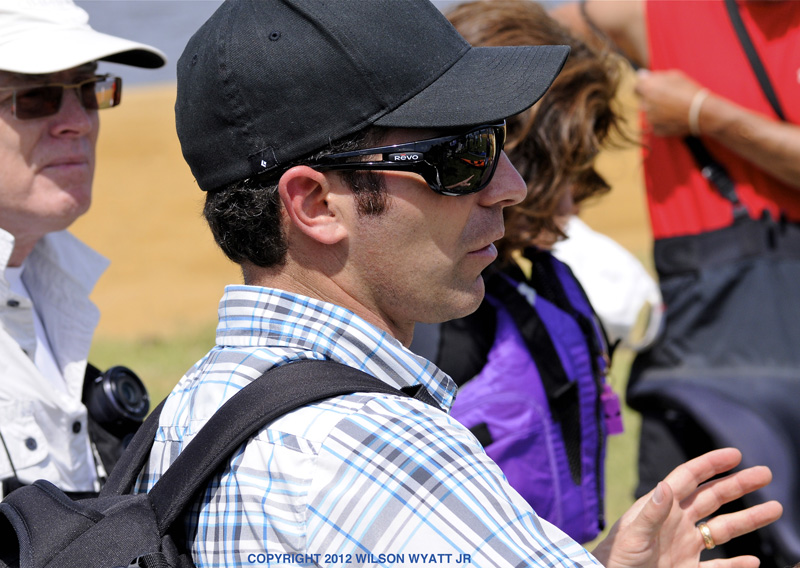
– Nikon mentor photographer Corey Rich, above, says a great photo should tell a story.

Tips From Our Mentors – for Single Lens Reflex Cameras (SLR):

Photography is all about light, and the way it forms an image. Think about light when you frame a shot…what kind of light (direct or reflective), how does it light your subject, what is in the shadows? To act like the human eye, the camera needs to be adjusted. The following will help.

– Select the file format…raw or jpg.  Raw gives you far more latitude to improve your image later, with processing software.

– Select the best ISO for your lighting conditions (for low light or bright light).  Modern cameras are amazingly sophisticated.  Don’t be afraid to use their technology.

– Color – In your camera’s menu, set the color to Adobe’s “RGB.” It covers far more of the color spectrum than “SKGB.” Also, set your white balance to “daylight,” not “automatic.”

– Camera settings – Think about your creative choices (automatic vs manual; selecting lens aperture and shutter speed).  What type of shot…macro, action, landscape, or portrait?

– Don’t be bashful – Do whatever it takes to create an interesting image.

– Shoot lots of photos to get the one perfect shot.  Digital storage is cheap, unlike film.

– Look INTO the viewfinder…not through it. Notice the frame marks in the viewfinder. This will be the image.  Compose your shot within the viewfinder, with as little excess as possible.  Think…and slowly release the shutter.  As they say, “Nail it in the camera!”

 – Every photo should tell “a story.”  What is the story you are going to tell with this image?

– Be a little uncomfortable – Don’t be afraid to get dirty or look a little silly. Lie on the ground and shoot up, or at least even…or eye-to eye with a pet or insect. Stretch…do what it takes.

– Ask, “Is the content interesting…is there a better or more unusual angle?”

– “Make” a photo situation…don’t be passive. If you use a model, don’t be afraid to give direction.

– Shoot in rapid sequence. Use the “continuous” setting on your SLR. Usually, there’s only one chance to get the right image. Don’t lose it.

– Focus accurately on your subject. Hold your camera steady in one hand, elbows into the body, and trip the shutter with the other. Do whatever it takes, including using a tripod (if possible), to get the sharpest possible image.

– Equipment – Before you go on your photo trek, list the equipment you will need for the day (or night).  Only bring what you may need for each trek, in a comfortable daypack.  Always bring rain gear…for your camera, as well as your protection.

A few more images from the Maryland trek follow:
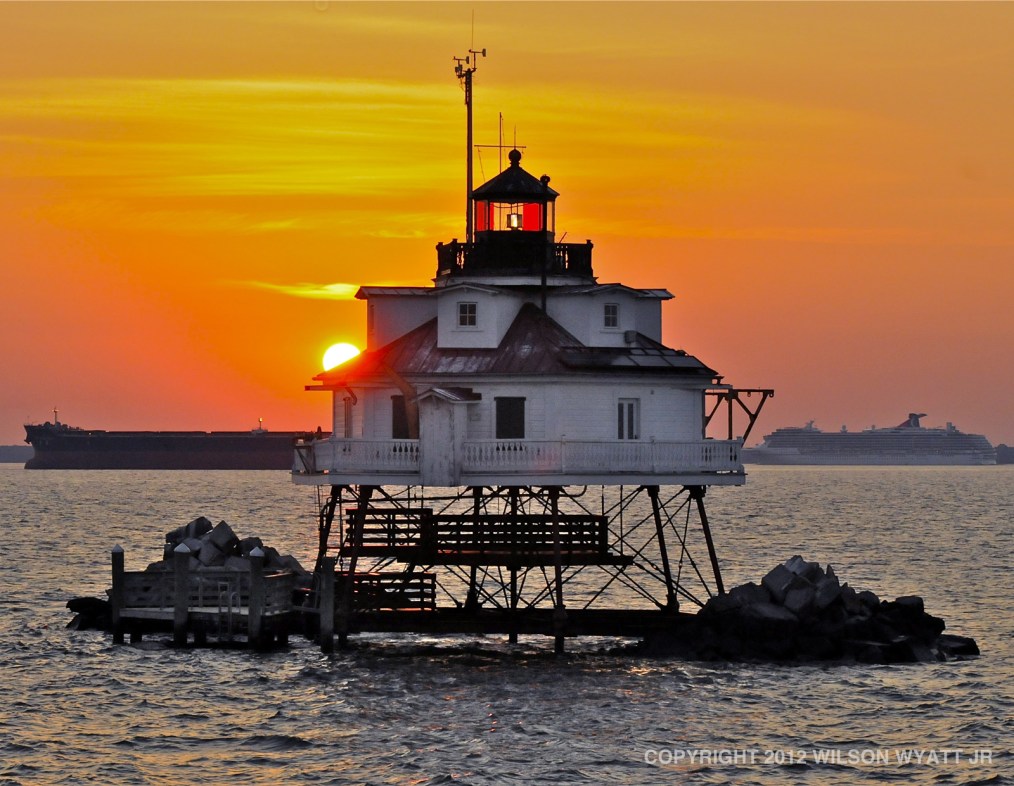
Image


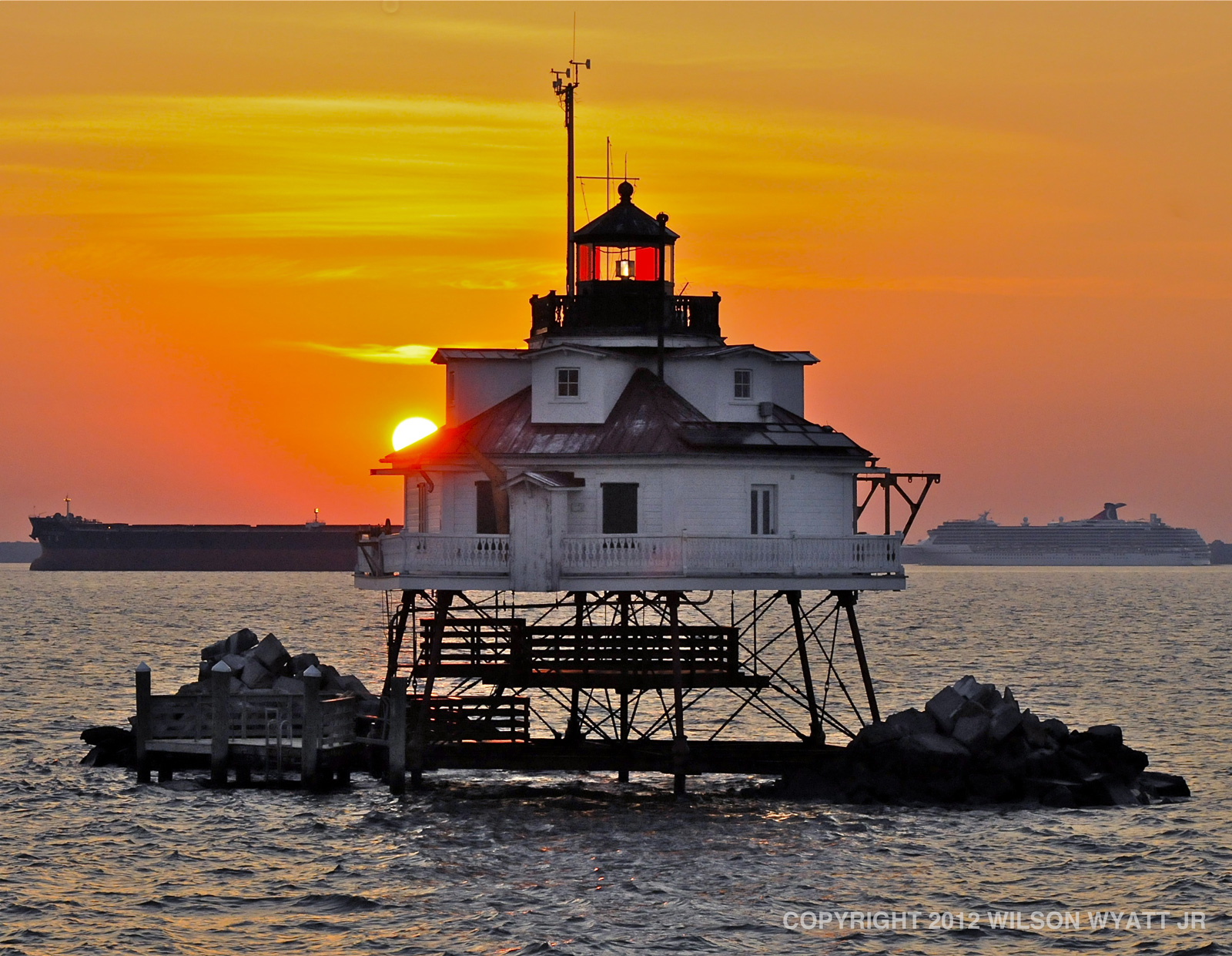
– “Thomas Point Lighthouse at Sunrise,” above, winner of the Best of Maryland Photo Competition (click on image to enlarge)

Image

– Swallowtail Butterfly, in one of the natural settings we visited. (Click on image to enlarge)
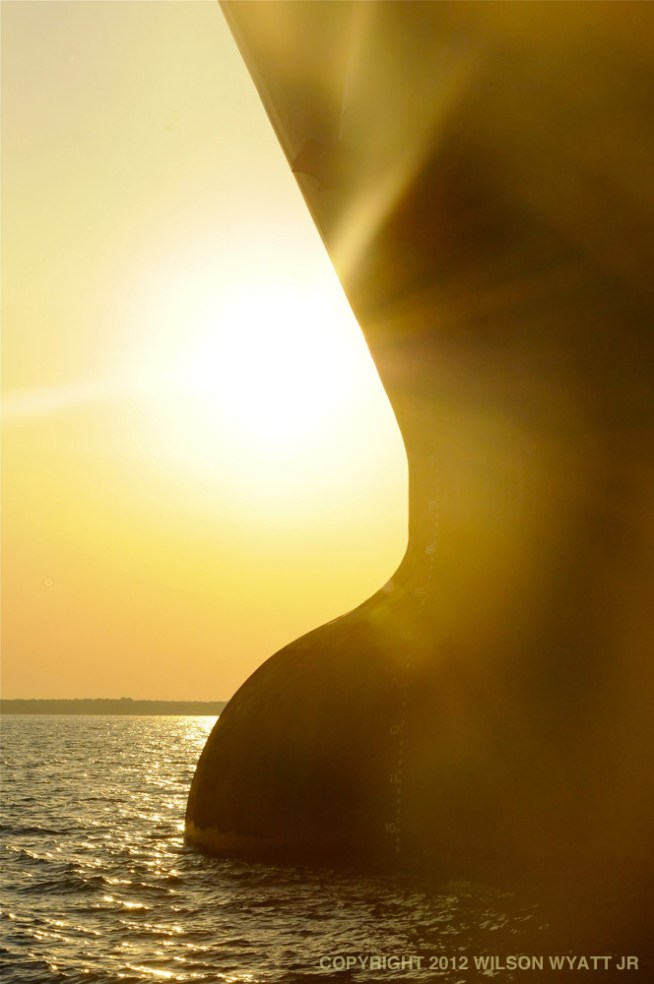
Image 

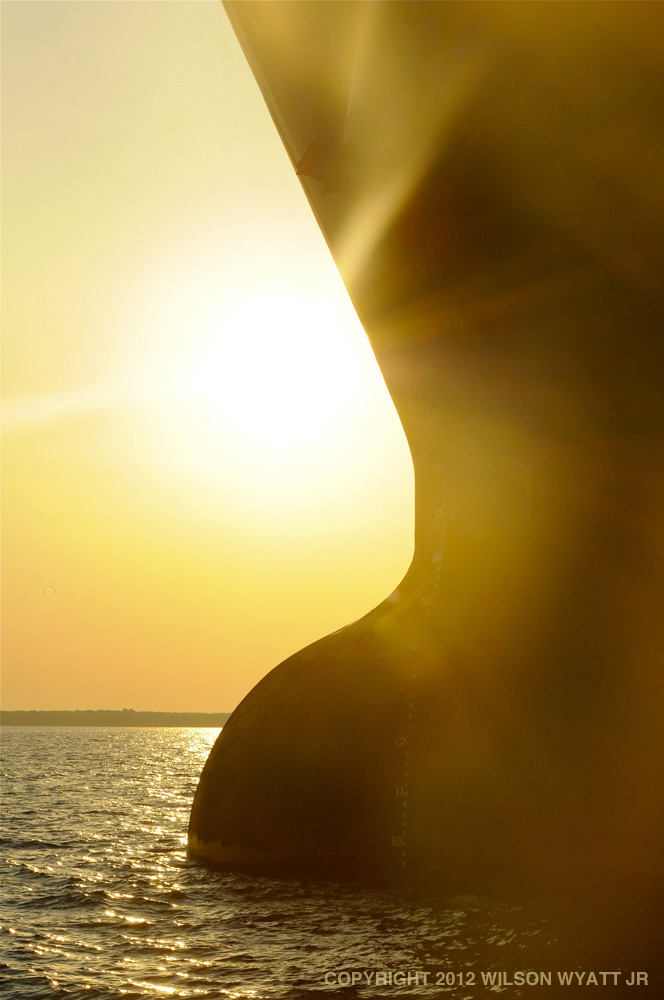
– Sunrise at the Bow, on the Chesapeake Bay (Click on image to enlarge)
Image

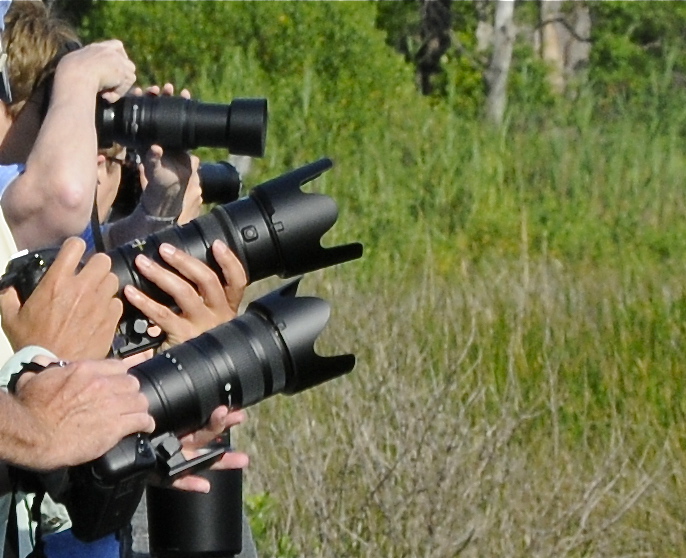
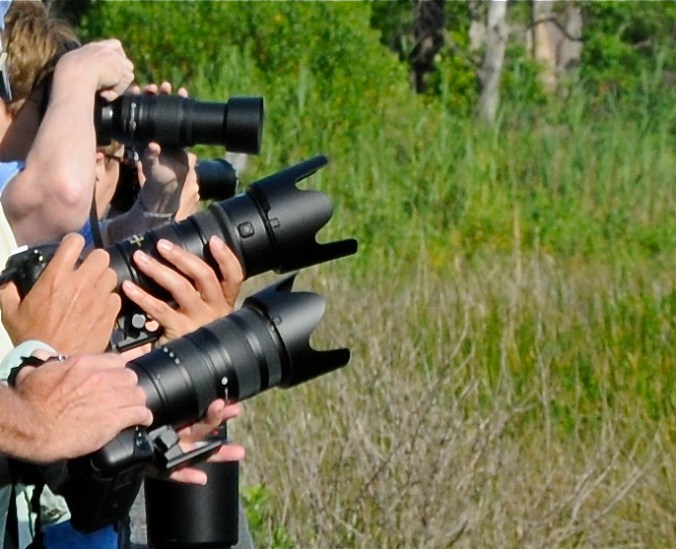
– “Who has the biggest lens?” – shooting in the marshes, near Rock Hall.

Image

– Beauty in the marshlands, a visiting butterfly (Click to enlarge image)
Image

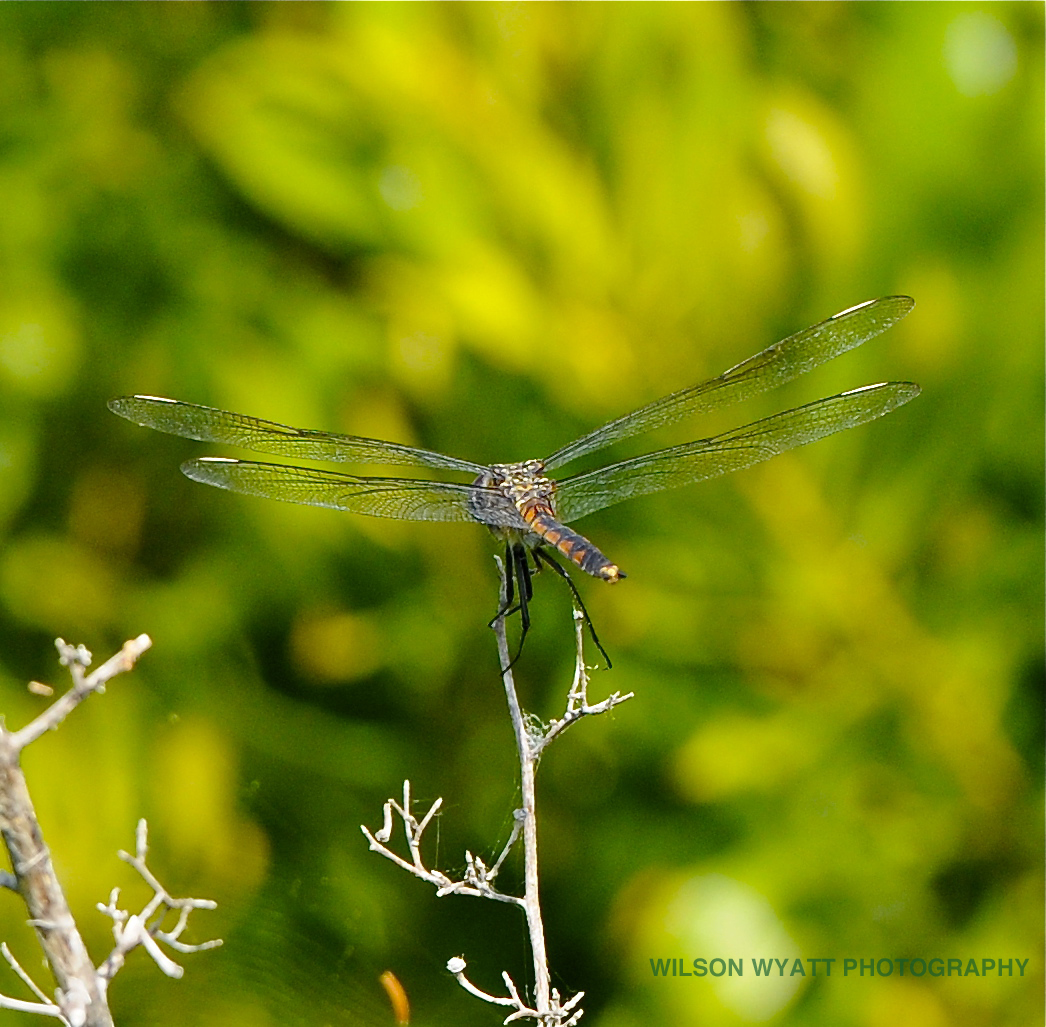
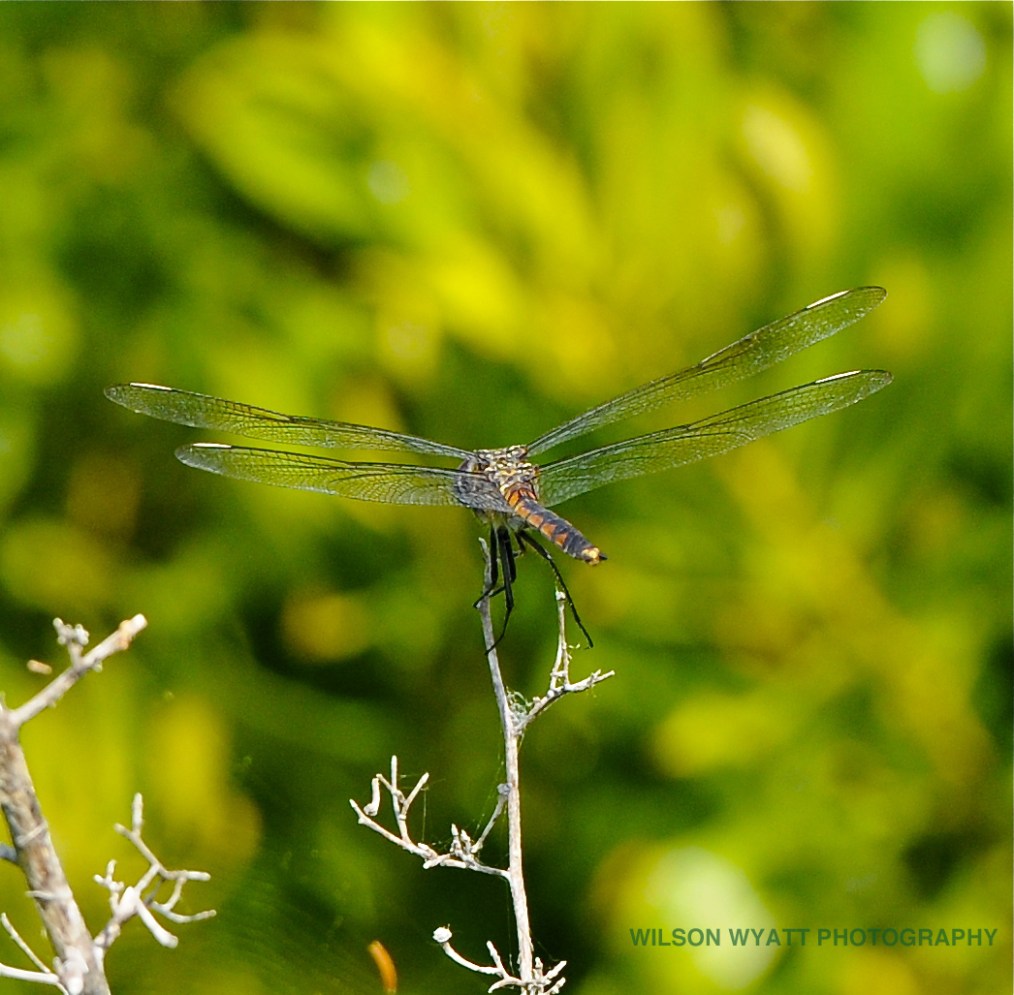
– A Dragonfly rests in the marshland

Image

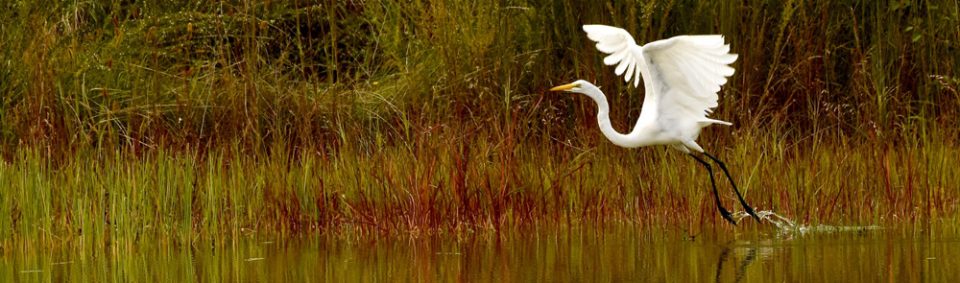
– A parting shot from one of the gardens near Annapolis
 

← Older posts
Newer posts →

Unknown's avatar

Writing

  • About
    • New Book: Chesapeake Views – Catching the Light

Photography

  • About
    • New Book: Chesapeake Views – Catching the Light

Past Posts

  • January 2025
  • November 2021
  • November 2020
  • November 2019
  • February 2019
  • October 2018
  • December 2017
  • September 2017
  • February 2016
  • November 2015
  • February 2015
  • December 2014
  • November 2014
  • September 2014
  • March 2014
  • February 2014
  • December 2013
  • November 2013
  • October 2013
  • September 2013
  • August 2013
  • July 2013
  • June 2013
  • May 2013
  • April 2013
  • March 2013
  • January 2013
  • November 2012
  • October 2012
  • September 2012
  • July 2012
  • June 2012
  • February 2012
  • December 2011
  • November 2011
  • October 2011
  • September 2011
  • August 2011

Enter your email address to follow this blog and receive notifications of new posts by email.

Join 1,192 other subscribers

Blog Stats

  • 32,538 hits

Log in/out

  • Create account
  • Log in
  • Entries feed
  • Comments feed
  • WordPress.com

Blog at WordPress.com.

  • Subscribe Subscribed
    • WILSON WYATT JR
    • Join 107 other subscribers
    • Already have a WordPress.com account? Log in now.
    • WILSON WYATT JR
    • Subscribe Subscribed
    • Sign up
    • Log in
    • Report this content
    • View site in Reader
    • Manage subscriptions
    • Collapse this bar
 

Loading Comments...